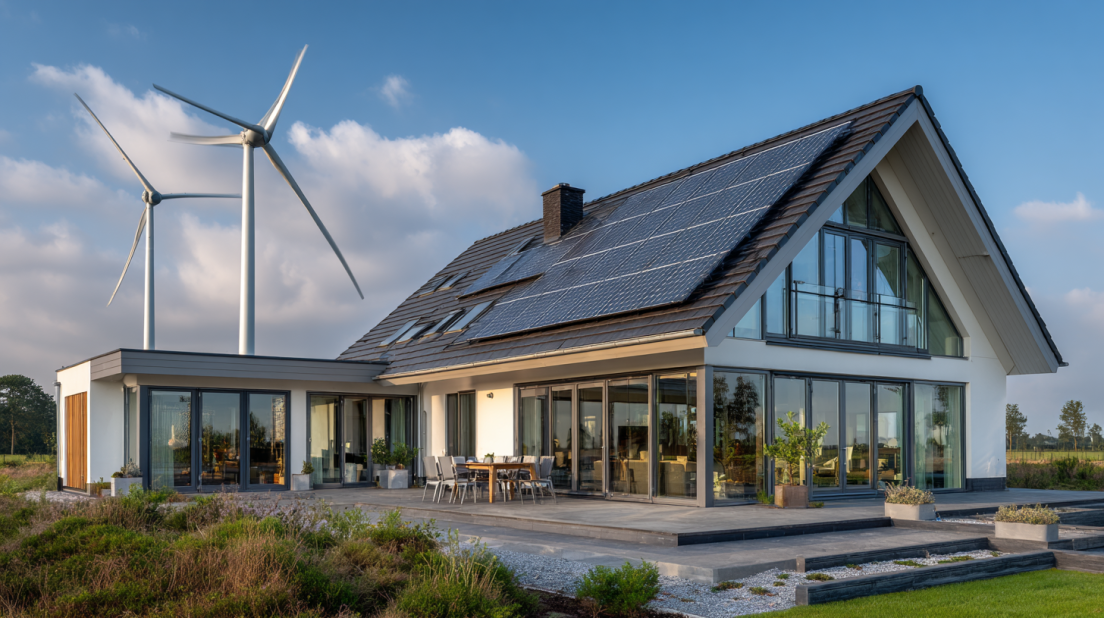
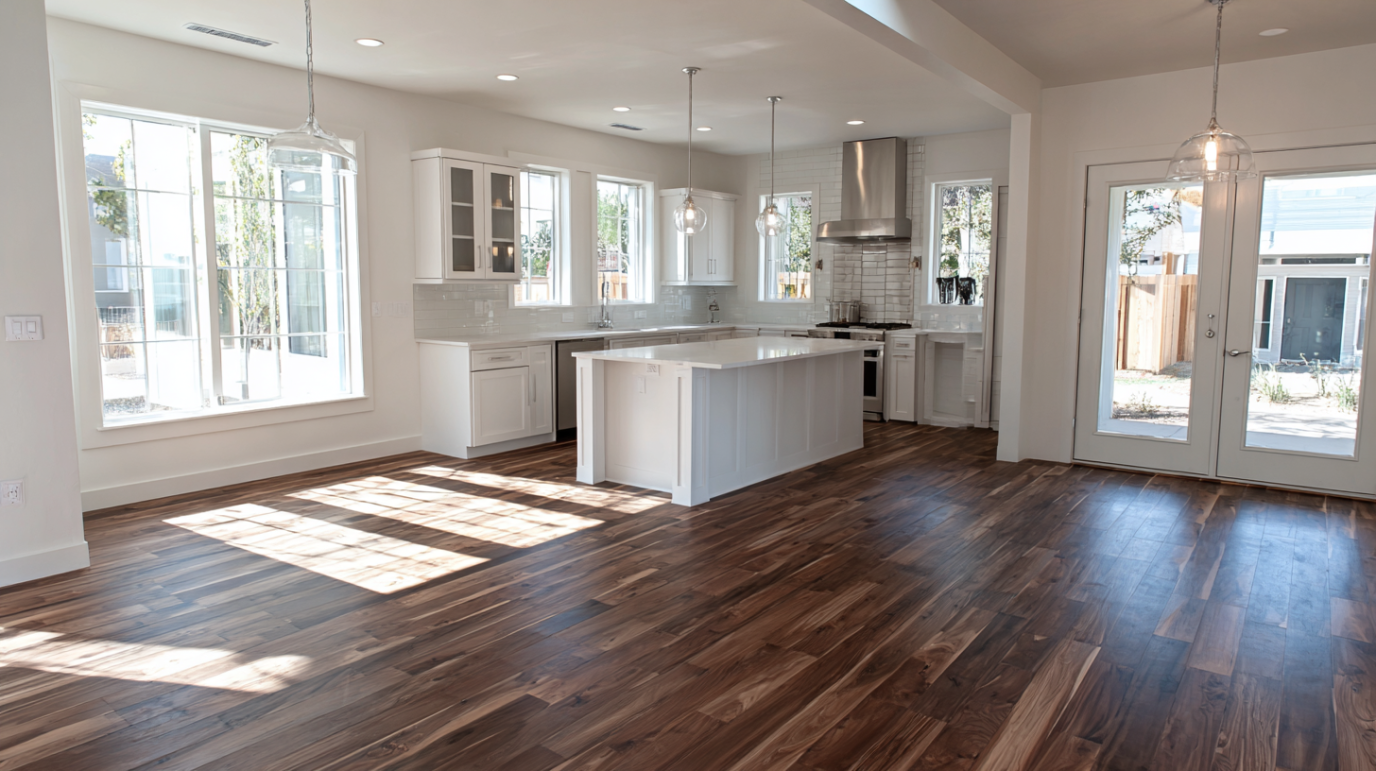
Building a new home is an exciting venture that offers the opportunity to create a space tailored to your preferences and needs. However, it is also a substantial financial commitment that requires careful planning to avoid exceeding your budget. Many homeowners find themselves facing unexpected costs and financial strain due to inadequate budgeting and planning. By understanding the key factors that impact building costs, you can effectively manage your finances and ensure your dream home becomes a reality without breaking the bank.
This guide will provide you with essential strategies and practical tips for building a new home within your budget. You will learn about cost-effective planning, choosing the right professionals, and the importance of realistic budgeting. Whether you’re a first-time homebuilder or looking to improve your budgeting skills, this article will equip you with the knowledge to make informed decisions and achieve your goals.
Complete guide to building within budget
Building a new home involves numerous decisions, each impacting the overall cost. By following a structured approach, you can keep expenses under control and ensure your project stays within budget.
Establishing a realistic budget
Understand all potential costs
Start by understanding all costs involved in building a home, including land acquisition, design fees, permit and inspection fees, construction costs, and landscaping. Include a contingency fund for unexpected expenses. Research average costs in your area to create a comprehensive budget. According to the National Association of Home Builders, construction costs account for about 60% of the total budget, while land costs and other fees cover the rest.
It’s important to regularly review and adjust your budget as the project progresses. This will help you stay aligned with your financial plan and avoid overspending.
Prioritize your needs and wants
List all the features you want in your home and categorize them into ‘needs’ and ‘wants’. Prioritizing essential features helps you focus your budget on what truly matters. Consider compromising on some ‘wants’ to allocate funds to more critical areas.
Choosing the right professionals
Hire an experienced architect and contractor
Hiring experienced professionals is crucial for staying within budget. An architect can help design a home that meets your needs without unnecessary expenses. A reputable contractor can provide accurate cost estimates and manage the project efficiently. Look for professionals with a proven track record and check references to ensure reliability. According to Realtor.com, working with skilled professionals can save you up to 15% on construction costs.
Effective communication with your team is essential. Clearly convey your budget constraints and expectations to avoid misunderstandings and costly mistakes.
Smart construction practices
Consider energy-efficient features
Investing in energy-efficient features can reduce long-term costs and increase the value of your home. Energy-efficient windows, insulation, and appliances can lower utility bills and provide savings over time. According to Energy Star, homes with energy-efficient upgrades can save homeowners up to 30% on energy bills annually.
Practical steps to manage your budget
- Research thoroughly: Gather information on building costs and materials before starting the project.
- Stick to the plan: Avoid making changes once the project has begun to prevent additional costs.
- Use standard materials: Opt for standard sizes and materials to reduce costs without compromising quality.
- Monitor progress: Regularly check on the construction progress to ensure everything is on track.
- Negotiate wisely: Negotiate with suppliers and contractors for better deals and discounts.
Key data & statistics
| Cost Factor | Percentage of Total Cost | Comments |
|---|---|---|
| Construction | 60% | Main component of budget. |
| Land | 20% | Varies by location. |
| Architect Fees | 10% | Essential for design. |
| Permits and Fees | 5% | Often overlooked but necessary. |
| Landscaping | 5% | Completes the aesthetic. |
Practical tips for staying on budget
Building a home can be a complex process with many potential pitfalls. Following practical tips can help you stay within budget and achieve your dream home.
One common mistake is underestimating the costs of materials and labor. Ensure you have a detailed estimate and plan for contingencies to avoid unexpected financial strain.
Tips for success
- Plan ahead: Ensure every detail of your project is planned out before starting.
- Get multiple quotes: Obtain quotes from several contractors to find the best price.
- Limit changes: Avoid making changes during construction to prevent cost overruns.
- Track expenses: Keep a detailed record of all expenses to monitor budget adherence.
- Communicate effectively: Maintain open lines of communication with your team to address issues promptly.
Pros and cons of building within budget
| Pros | Cons |
|---|---|
| Financial security. | May require compromises on features. |
| Less stress during construction. | Time-consuming planning process. |
| Greater control over project. | Limited flexibility for changes. |
| Potential for future savings. | Higher upfront research effort. |
❓ Frequently asked questions
What are the first steps in planning a home build?
The first steps include determining your budget, finding suitable land, and hiring an architect to design your home. It’s essential to outline your needs and wants early on to guide the planning process.
How can I save on construction costs?
To save on construction costs, consider using standard materials, limiting design changes, and obtaining multiple quotes from contractors. Energy-efficient features can also lead to long-term savings.
Is it worth hiring a project manager?
Hiring a project manager can be valuable, especially for large projects. They can help coordinate the construction process, ensure deadlines are met, and manage expenses effectively.
What should I include in my contingency fund?
A contingency fund should cover unexpected expenses such as construction delays, material price increases, and unforeseen design changes. A common recommendation is to allocate 10-15% of your total budget to this fund.
How do I choose the right contractor?
Choose a contractor based on experience, references, and their ability to communicate effectively. Obtain multiple bids and compare them to ensure you find a reliable and cost-effective contractor.
Can I build a custom home on a tight budget?
Yes, building a custom home on a tight budget is possible with careful planning and prioritization of essential features. Working closely with an experienced architect can help you design a cost-effective home.