Building a fully energy-efficient home is increasingly becoming a priority as we move toward sustainable living. With the rapid advancements in technology and construction practices, the possibilities for creating homes that significantly reduce energy consumption are more accessible than ever. In 2026, as environmental concerns mount, creating an energy-efficient home is not just a personal choice but a global necessity.
In this article, you will learn about the latest strategies and materials for constructing an energy-efficient home. From selecting the right location to implementing cutting-edge technologies, these insights will guide you in making informed decisions that can lead to significant energy savings and contribute to a cleaner environment.
Complete guide to building an energy-efficient home
Constructing an energy-efficient home involves a combination of smart design, sustainable materials, and advanced technology. By integrating these elements, homeowners can reduce their carbon footprint and enjoy lower utility bills.
Location and design
Site selection
Choosing the right location is crucial for an energy-efficient home. Consider a site that maximizes natural light and takes advantage of passive solar heating. This can significantly reduce heating and lighting needs, making your home more sustainable.
Additionally, assess the local climate to ensure that the home’s design accommodates natural ventilation and cooling. This can further enhance energy efficiency by minimizing the need for artificial climate control.
Architectural design
A well-thought-out architectural design can dramatically impact energy efficiency. Opt for a design that incorporates large south-facing windows in cooler climates to maximize solar gain and smaller, shaded windows in warmer areas to reduce heat entry.
Materials and insulation
Choosing sustainable materials
Sustainable materials are integral to building an energy-efficient home. Use eco-friendly materials like bamboo, recycled steel, or reclaimed wood. These not only reduce environmental impact but also contribute to better indoor air quality.
Moreover, materials with high thermal mass, such as concrete or brick, can store heat from the sun during the day and release it at night, reducing heating needs.
Energy-efficient systems
Incorporating energy-efficient systems is essential for reducing a home’s energy consumption. Install Energy Star-rated appliances, LED lighting, and smart thermostats to optimize energy use.
Practical steps to energy efficiency
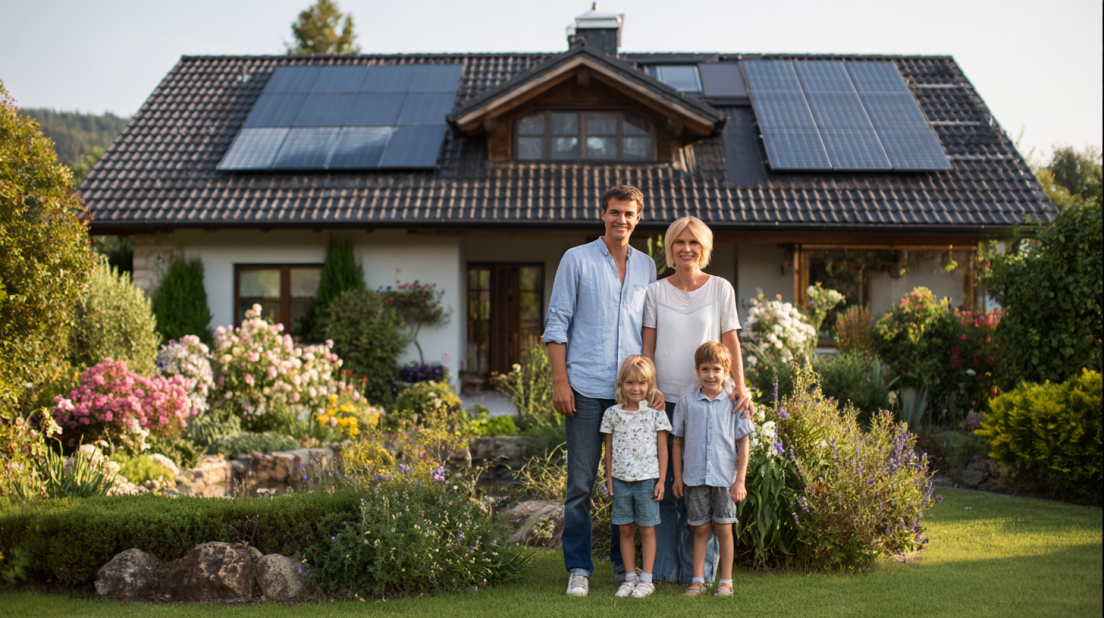
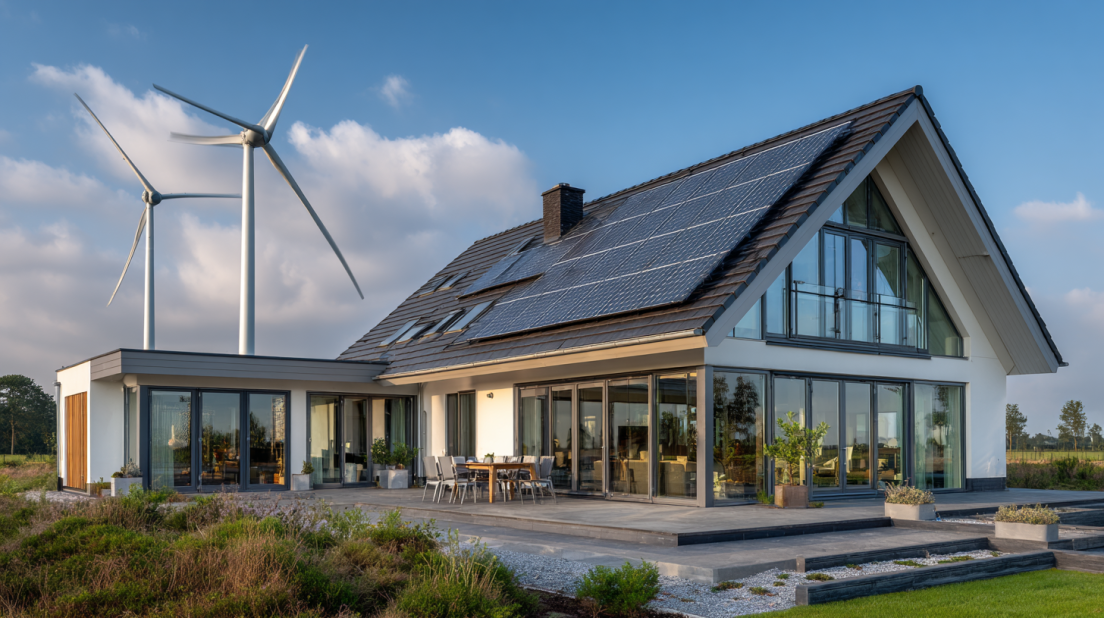
- Install solar panels: Solar panels can provide a significant portion of your home’s energy needs, reducing reliance on non-renewable sources.
- Use high-efficiency HVAC systems: These systems ensure optimal climate control with minimal energy use.
- Incorporate rainwater harvesting: Collecting rainwater for irrigation and other uses reduces water wastage.
- Implement smart home technology: Use smart devices to monitor and control energy consumption effectively.
- Opt for energy-efficient windows: Double or triple-glazed windows improve insulation and reduce heat loss.
- Choose LED lighting: LEDs use significantly less energy than traditional bulbs and last longer.
Key data and statistics
| Indicator | Value / Result | Interpretation |
|---|---|---|
| Average energy savings | 30%-50% | Homes with energy-efficient systems can reduce energy consumption by up to 50%. |
| Solar panel efficiency | 20%-25% | Modern solar panels convert 20%-25% of sunlight into energy. |
| LED lifetime | 25,000 hours | LEDs last significantly longer than incandescent bulbs, reducing replacement costs and waste. |
| Water savings | 40% | Rainwater harvesting systems can reduce water usage by up to 40%. |
| Thermal insulation improvement | R-value of 5-7 | High-quality insulation can improve the R-value, enhancing thermal resistance. |
Practical tips for building an energy-efficient home
Implementing practical tips can further enhance the energy efficiency of your home. These tips focus on optimizing energy use and reducing consumption.
Incorporating energy-efficient practices can be challenging, especially for first-time builders. Common pitfalls include overlooking local climate impacts and neglecting proper insulation. Being aware of these issues can help you avoid costly mistakes and ensure a successful project.
Tips for success
- Plan for future needs: Consider how your home might need to adapt to future energy technologies.
- Consult with an energy expert: Professional advice can help tailor solutions to your specific needs.
- Focus on airtight construction: Minimize leaks to improve overall energy efficiency.
- Utilize landscaping: Use trees and shrubs strategically for shade and wind protection.
- Regular maintenance: Keep systems running efficiently with routine checks and updates.
Pros and cons of energy-efficient homes
| Pros | Cons |
|---|---|
| Reduced energy bills | Higher initial costs |
| Environmental benefits | Potential for technology obsolescence |
| Improved comfort | Maintenance requirements |
| Increased property value | Complex installation processes |
Explore similar articles
❓ Frequently Asked Questions
What are the benefits of an energy-efficient home?
Energy-efficient homes offer numerous benefits, including lower utility bills, reduced environmental impact, and increased comfort. These homes often have higher resale values and provide a healthier living environment.
How much can I save with an energy-efficient home?
Energy-efficient homes can save homeowners between 30% to 50% on energy bills. Savings depend on the extent of energy-efficient systems and practices implemented.
Is solar power essential for energy efficiency?
While solar power significantly enhances energy efficiency, it is not the only solution. Combining solar with other systems like high-efficiency HVAC and insulation can maximize energy savings.
What is the role of insulation in energy efficiency?
Insulation plays a critical role by preventing heat loss in winter and keeping cool air inside during summer. Proper insulation reduces the need for heating and cooling, thus lowering energy consumption.
Are energy-efficient homes more expensive to build?
Upfront costs can be higher due to premium materials and technologies. However, long-term savings and increased property values often offset these initial expenses.
Can existing homes be made energy-efficient?
Yes, existing homes can be retrofitted with energy-efficient systems and materials. Replacing windows, adding insulation, and installing efficient appliances are some ways to improve energy efficiency.