
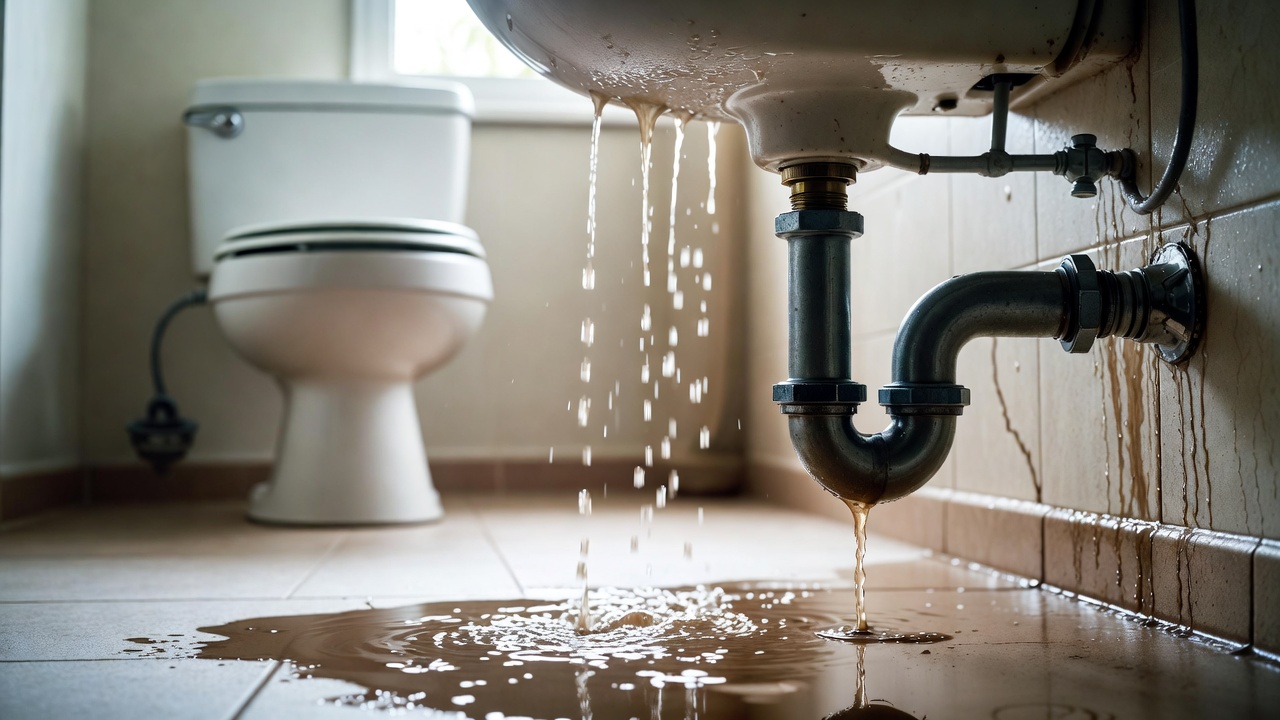
Plumbing issues are a common challenge in both residential and commercial buildings, often leading to inconvenience and costly repairs. From leaky faucets to clogged drains, these problems can disrupt daily activities and even cause significant damage if not addressed promptly. Understanding common plumbing problems and their solutions is essential for homeowners and professionals alike to maintain the integrity of their buildings.
In this article, we will explore the most frequent plumbing problems and provide effective solutions to tackle them. You’ll learn practical tips to prevent these issues and how to handle them when they arise, ensuring your plumbing system remains efficient and reliable.
Understanding common plumbing problems and solutions
Plumbing issues can vary greatly in severity and complexity, but many common problems are easily identifiable and manageable with the right knowledge. Addressing these issues promptly can prevent minor inconveniences from escalating into major repairs.
Leaky faucets
Identifying the cause
Leaky faucets are often caused by worn-out washers, O-rings, or valve seats. Over time, these components can deteriorate due to constant use, leading to water dripping from the faucet. Regular inspection and maintenance can help identify these issues before they lead to significant water wastage.
Replacing faulty components such as washers or O-rings is a straightforward task that can often be completed with basic tools. If unsure, consulting a professional plumber can ensure the repair is done correctly and efficiently.
Preventive measures
To prevent leaks, regularly check and replace worn components. Using quality fixtures and avoiding excessive force when turning off faucets can also extend their lifespan.
Clogged drains
Common causes
Clogged drains often result from the accumulation of hair, soap, grease, and other debris. In kitchens, food particles and grease can contribute significantly to blockages, while bathrooms typically suffer from hair and soap buildup.
Regular cleaning and using strainers can help prevent clogs. For existing blockages, using a plunger or a plumber’s snake can often clear the obstruction without the need for harsh chemicals.
Low water pressure
Low water pressure can stem from various issues, including pipe corrosion, leaks, or sediment buildup in pipes. Identifying the root cause is crucial for restoring normal water pressure and ensuring a consistent supply throughout the building.
Practical steps to resolve plumbing issues
- Regular inspection: Schedule routine checks to identify potential problems early.
- Use strainers: Install strainers in sinks and showers to catch debris and prevent clogs.
- Address leaks immediately: Fix leaks promptly to avoid water damage and wastage.
- Monitor water pressure: Regularly check water pressure to ensure it remains at optimal levels.
- Educate occupants: Inform building occupants about proper waste disposal to avoid drain blockages.
- Consult professionals: When in doubt, seek professional help to ensure issues are resolved correctly.
Key data & statistics on plumbing issues
| Issue | Frequency | Impact |
|---|---|---|
| Leaky Faucets | 10% of households annually | Increases water bills by 10% |
| Clogged Drains | 15% of households annually | Causes minor to severe water damage |
| Low Water Pressure | 8% of households annually | Affects daily water use efficiency |
| Running Toilets | 5% of households annually | Wastes up to 200 gallons/day |
| Water Heater Issues | 12% of households annually | Leads to lack of hot water |
Practical tips for plumbing maintenance
Effective plumbing maintenance is crucial for preventing common issues and ensuring the longevity of the system. By following practical tips, homeowners can save on repair costs and maintain a healthy plumbing system.
Simple actions, such as regular cleaning and inspections, can greatly reduce the likelihood of problems. It’s also important to be aware of the signs of potential issues to address them before they escalate.
Tips for maintaining a healthy plumbing system
- Inspect regularly: Check for leaks and signs of wear monthly.
- Clear drains: Use natural solutions like vinegar and baking soda regularly.
- Monitor water pressure: Ensure pressure is between 40-60 psi.
- Service water heater: Flush annually to remove sediment buildup.
- Educate family: Teach proper disposal and usage habits.
Pros and cons of DIY plumbing
| Pros | Cons |
|---|---|
| Saves money | Risk of incorrect repairs |
| Immediate action | Lack of professional tools |
| Learn new skills | Time-consuming |
| Convenience | Potential for more damage |
Related articles for further reading
❓ Frequently asked questions about plumbing
How can I prevent plumbing issues at home?
Regular maintenance, such as inspecting for leaks and cleaning drains, can prevent many common plumbing issues. Educating family members on proper disposal habits can also help.
What should I do if I have a leaky faucet?
First, identify the cause by checking the washers, O-rings, and valve seats. Replace any worn components. If unsure, it may be best to consult a professional plumber.
Why is my water pressure low?
Low water pressure can result from pipe corrosion, leaks, or sediment buildup. Checking these areas and maintaining a clean system can help address the issue.
Is it safe to use chemical drain cleaners?
Chemical drain cleaners can damage pipes and are often not recommended. Using a plunger or plumber’s snake is a safer and more effective approach.
How often should I service my water heater?
It’s recommended to service your water heater annually to remove sediment buildup, ensuring efficient operation and extending its lifespan.
When should I call a professional plumber?
If you encounter severe leaks, persistent clogs, or are unsure about a repair, it’s best to call a professional to prevent further damage.