
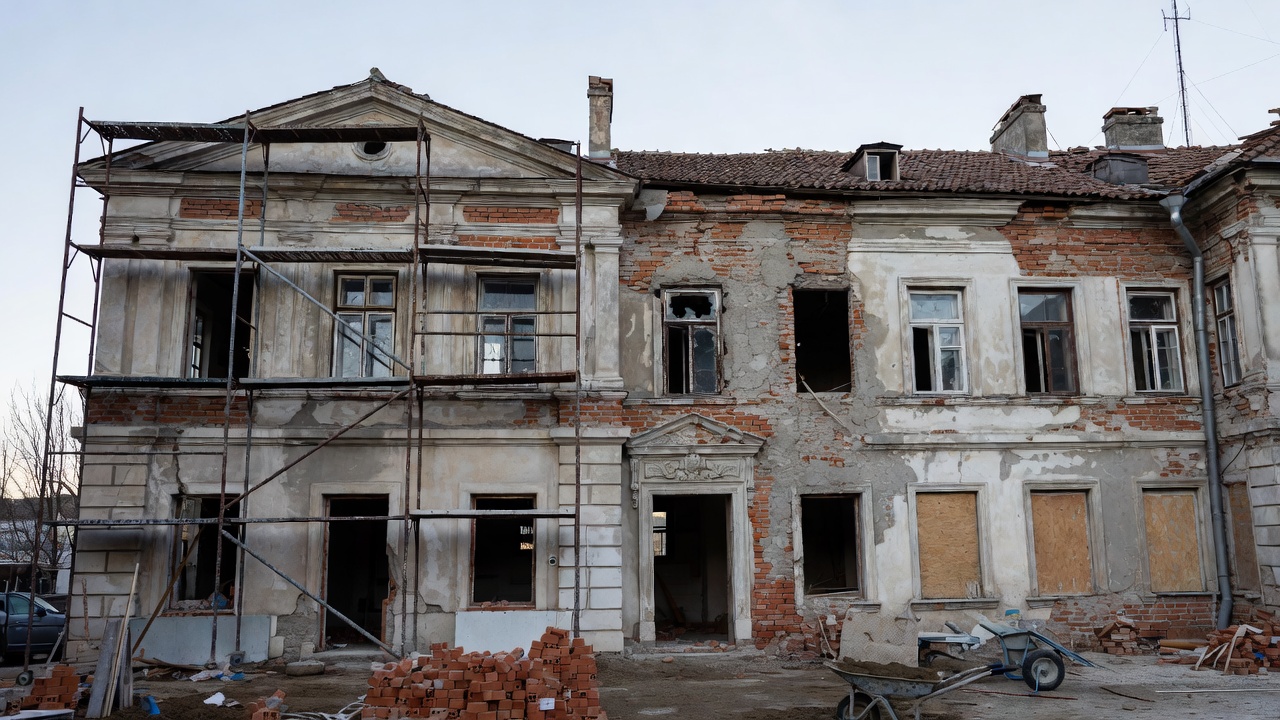
Restoring old buildings is a vital process that goes beyond mere aesthetics. It involves preserving history, revitalizing communities, and often increasing property values. The restoration of heritage structures requires expertise, patience, and a deep understanding of historical architecture. As cities grow and develop, the importance of maintaining these historical landmarks becomes ever more crucial, connecting us to the past while enriching our cultural heritage.
In this article, readers will explore effective techniques for restoring old buildings. The guide will cover essential steps, practical advice, and the benefits of careful restoration. Understanding these techniques can lead to more successful projects that respect both historical significance and modern needs.
Guide to effective building restoration techniques
Restoring old buildings is an art and a science, requiring meticulous planning and execution. The process involves various steps, each crucial for preserving the structural and aesthetic integrity of the building.
Assessment and planning
Initial assessment
The first step in restoring an old building is a comprehensive assessment. This involves examining the structure’s current state, identifying any damage, and understanding the historical context. Experts may use technologies such as 3D scanning to create detailed models of the building. This assessment forms the foundation for a restoration plan.
Understanding the materials originally used in the construction is also essential. This knowledge allows restorers to source similar materials, ensuring the authenticity of the restoration. Historical research can provide insights into original designs and functions, guiding the restoration process.
Planning phase
Once the assessment is complete, the planning phase begins. This involves setting clear objectives, timelines, and budgets. Engaging with architects, historians, and conservationists will provide diverse perspectives. A well-drafted plan will address structural repairs, aesthetic improvements, and compliance with modern regulations.
Structural stabilization
Foundation repair
Many old buildings suffer from foundation issues due to age and changing environmental conditions. Addressing these problems is critical for the building’s safety and longevity. Techniques such as underpinning and grouting can stabilize foundations, preventing further deterioration.
Ensuring the building’s foundation is sound will support any subsequent restoration work. It also protects against future issues that could compromise the structure’s integrity.
Restoration of original features
Preserving original features is a key aspect of restoration. Elements like cornices, moldings, and facades often define a building’s character. Restorers must carefully clean and repair these features, using traditional methods to maintain authenticity.
Practical steps for successful restoration
- Research historical context: Understand the building’s history to guide accurate restoration.
- Engage experts: Work with architects, historians, and craftsmen experienced in restoration.
- Use traditional materials: Source materials that match the original construction to maintain authenticity.
- Implement modern safety standards: Ensure the building complies with current safety regulations without compromising historical accuracy.
- Maintain regular inspections: Regular checks help identify potential issues early, ensuring long-term preservation.
- Involve the community: Engage local communities in the restoration process to foster appreciation and support.
Key data & statistics in building restoration
| Indicator | Value / Result | Interpretation |
|---|---|---|
| Average cost of restoration per square foot | $100 – $400 | Varies based on building type and location. |
| Return on investment | 20% – 25% | Potential increase in property value post-restoration. |
| Job creation | 50 – 60 jobs per project | Restoration projects can significantly boost local employment. |
| Energy efficiency improvement | 15% – 30% | Upgrades can lead to substantial energy savings. |
| Increase in tourism | 10% – 15% | Restored buildings often attract more visitors. |
Practical tips for successful restoration
Restoring old buildings can be both rewarding and challenging. The right approach can ensure the project’s success, preserving a piece of history for future generations. Here are some practical tips to consider.
Many restorers face challenges such as budget constraints and unexpected structural issues. Being prepared and informed can help mitigate these risks. This section provides actionable tips to guide restorers through common challenges.
Tips for successful restoration
- Start with a detailed survey: A thorough survey helps identify all potential issues upfront.
- Prioritize structural repairs: Addressing structural issues first ensures a solid foundation for further work.
- Maintain a flexible budget: Unexpected costs can arise; having a buffer is prudent.
- Communicate with stakeholders: Keep all parties informed to ensure smooth project execution.
- Use expert craftsmen: Skilled labor is crucial for maintaining the building’s historical integrity.
Pros and cons of building restoration
| Pros — in English | Cons — in English |
|---|---|
| Preserves historical and cultural heritage. | Can be costly and time-consuming. |
| Enhances community pride and tourism. | May face regulatory and compliance challenges. |
| Increases property value and energy efficiency. | Requires specialized skills and materials. |
| Creates jobs and stimulates local economies. | Structural issues can pose significant risks. |
| Promotes sustainable building practices. | Modern upgrades may be limited by historical constraints. |
Similar articles you might like
❓ Frequently Asked Questions
What is the first step in restoring an old building?
The first step is conducting a thorough assessment of the building. This includes examining its current condition, identifying damage, and understanding its historical significance. This step is crucial for planning an effective restoration strategy.
How do you ensure the authenticity of restored features?
Authenticity can be ensured by using materials that match the original ones and employing traditional techniques. Historical research and expert consultation play pivotal roles in maintaining the building’s original charm and integrity.
What are common challenges in building restoration?
Common challenges include budget constraints, unforeseen structural issues, and compliance with modern safety standards. These can be addressed through careful planning, flexibility, and expert guidance.
Why is community involvement important in restoration?
Community involvement fosters a sense of ownership and pride in the project. It helps ensure that the restored building meets local needs and expectations, enhancing its value and acceptance.
How can restoration projects boost local economies?
Restoration projects create jobs and stimulate local businesses. They attract tourism and can increase property values, all of which contribute positively to the local economy.
What role do modern technologies play in restoration?
Modern technologies like 3D scanning and computer modeling aid in precise assessments and planning. They enhance the accuracy of restorations and facilitate the integration of modern safety features.