
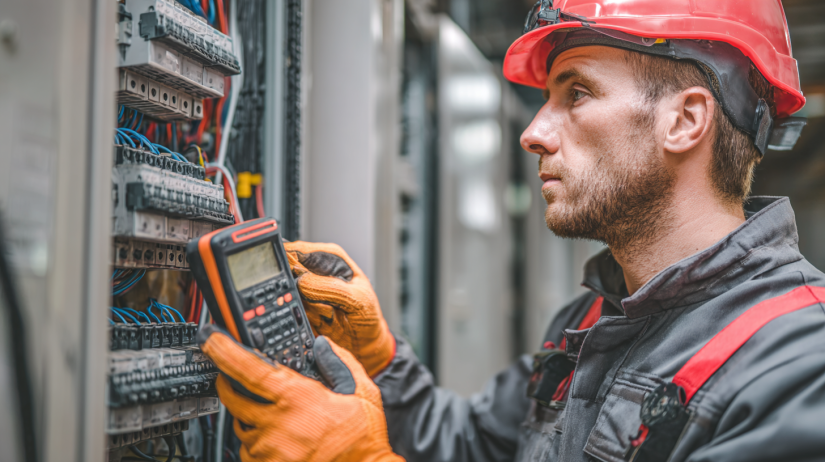
In today’s modern world, ensuring the safety of electrical installations at home is paramount. Faulty wiring or improper installation can lead to severe consequences, including electrical fires, shocks, and even fatalities. According to the National Fire Protection Association (NFPA), electrical failures or malfunctions were the second leading cause of U.S. home fires in 2019, accounting for 13% of home structure fires. These startling statistics highlight the importance of safe and regulated electrical installations.
This article will guide you through the essential steps to ensure your home’s electrical installations are safe and compliant with current standards. By understanding the key components and practices involved, you can significantly reduce the risk of electrical hazards and protect your family and property.
Complete guide to safe electrical installations at home
Ensuring safe electrical installations involves a series of detailed steps and considerations. These not only prevent potential hazards but also enhance the efficiency and longevity of your home’s electrical system.
Understanding the basics of electrical safety
Importance of proper wiring
Proper wiring is the backbone of any safe electrical installation. It involves selecting the right type and size of wires to handle the electrical load safely. Overloaded circuits are a common issue, often resulting from using wires that cannot handle the current drawn by appliances. The American Wire Gauge (AWG) system is used to determine the appropriate wire size for different applications. For example, a 14-gauge wire should be used for general lighting circuits with a 15-amp breaker.
Ensuring that wires are correctly installed and insulated can prevent short circuits and reduce the risk of electrical fires. Regular inspections and maintenance are crucial to identify potential issues before they escalate.
Role of circuit breakers and fuses
Circuit breakers and fuses are critical components of any electrical system. They serve as the first line of defense against electrical overloads and short circuits. When a circuit becomes overloaded, the breaker trips or the fuse blows, cutting off the electrical supply and preventing potential hazards.
Hiring qualified professionals
Importance of certified electricians
Hiring a certified electrician ensures that your electrical installations comply with local codes and regulations. Certified electricians have the necessary training and experience to handle a wide range of electrical tasks safely. They are familiar with the latest safety standards and can provide valuable advice on maintaining your electrical system.
When choosing an electrician, verify their credentials and ask for references to ensure they have a proven track record of reliable work.
Regular inspections and maintenance
Regular inspections by qualified professionals can identify potential issues before they become serious problems. These inspections typically include checking the condition of wiring, circuit breakers, and electrical panels, as well as testing outlets and switches for proper function.
Maintenance should also involve cleaning and tightening connections, replacing outdated components, and ensuring that all electrical appliances and fixtures are in good working order.
Practical steps for safe installations
- Install GFCI outlets: Ground Fault Circuit Interrupter outlets are critical in areas prone to moisture, such as kitchens and bathrooms.
- Label your circuit panel: Clearly labeling each circuit in your electrical panel can save time and confusion during maintenance or emergencies.
- Use surge protectors: Protect sensitive electronic devices from voltage spikes by using surge protectors throughout your home.
- Ensure proper grounding: Proper grounding of electrical systems prevents excess electrical charges from causing damage.
- Upgrade old wiring: Consider upgrading outdated wiring systems to meet current safety standards and handle modern electrical loads.
Key data & statistics on electrical safety
| Indicator | Value / Result | Interpretation |
|---|---|---|
| Home electrical fires in the U.S. | 51,000 annually | Highlights the importance of safe installations. |
| Injuries from electrical hazards | 1,400 annually | Emphasizes the need for preventive measures. |
| Deaths from electrical fires | 500 annually | Stresses the critical nature of electrical safety. |
| Cost of property damage | $1.3 billion annually | Illustrates the financial impact of electrical hazards. |
Practical tips for ensuring safe electrical installations
Practical tips are essential for maintaining the safety and efficiency of your home’s electrical system. Implementing these strategies can help prevent common issues and enhance the overall performance of your electrical installations.
Many homeowners neglect the importance of regular maintenance and inspections, leading to preventable accidents and costly repairs. By staying proactive, you can avoid these pitfalls and ensure your electrical system remains in top condition.
Tips for success in electrical safety
- Schedule regular inspections: Have a certified electrician inspect your system annually.
- Test your circuit breakers: Ensure they are functioning correctly by testing them monthly.
- Keep outlets free of clutter: Avoid overloading outlets with multiple devices.
- Educate your family: Teach household members about electrical safety and emergency procedures.
- Keep water away: Never use electrical appliances near water to prevent shocks.
Pros and cons of electrical safety measures
| Pros — in English | Cons — in English |
|---|---|
| Reduces risk of fires. | Can be costly to implement. |
| Protects family and property. | Requires regular maintenance. |
| Increases system efficiency. | May require professional assistance. |
| Complies with legal standards. | Time-consuming to ensure compliance. |
Similar articles you might like
❓ Frequently asked questions about electrical safety
Why is electrical safety important at home?
Electrical safety is crucial because it prevents potential hazards such as fires, shocks, and electrocution. A safe electrical system protects your property and ensures the well-being of your family, minimizing the risk of accidents.
How often should I have my home’s electrical system inspected?
It is recommended to have your home’s electrical system inspected at least once a year by a certified electrician. Regular inspections help identify potential issues early on and ensure your system is up to current safety standards.
What are the signs of electrical problems in a home?
Common signs include flickering lights, frequent circuit breaker trips, buzzing sounds, and hot outlets or switches. If you notice any of these, it’s important to contact an electrician immediately to assess and resolve the issue.
Can I perform electrical repairs myself?
While minor tasks like changing light bulbs are fine, it’s best to leave electrical repairs and installations to certified professionals. DIY repairs can be dangerous and may not comply with safety regulations.
What is the role of a surge protector?
Surge protectors shield electronic devices from voltage spikes by diverting excess voltage to the ground. They are essential for safeguarding sensitive electronics and reducing the risk of damage during power surges.
How can I prevent electrical fires at home?
Prevent electrical fires by ensuring proper wiring, using circuit breakers, and avoiding overloading outlets. Regular inspections and maintenance by certified electricians also play a key role in fire prevention.