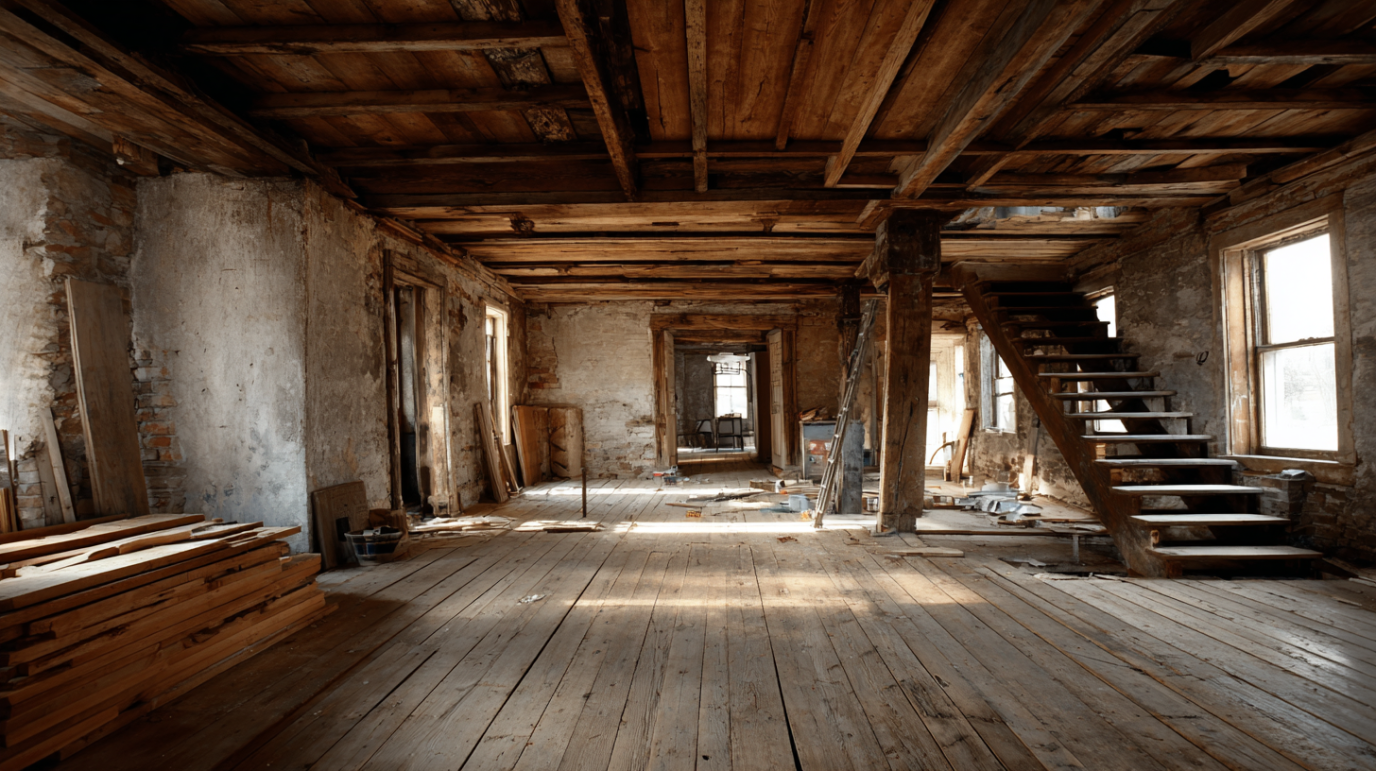
Renovating an old house can be a rewarding endeavor, offering the charm and character of yesteryear with the comforts of modern living. However, this task requires careful planning and execution to avoid compromising the building’s structural integrity. Many homeowners face challenges in updating older properties, such as dealing with outdated materials and hidden damages that can lead to costly repairs if not addressed properly. Understanding the intricacies of renovating such homes is crucial for anyone looking to preserve their historical value while making necessary upgrades.
This article provides a comprehensive guide to renovating old houses without damaging their structure. Readers will learn about key considerations, practical steps, and expert tips to ensure a successful renovation project that respects the home’s original design. This knowledge is essential for maintaining the building’s historical significance and ensuring the safety and comfort of its occupants.
Comprehensive guide to safe renovations
Renovating an old house requires a balance between modernization and preservation. Each step in the renovation process should be carefully considered to protect the building’s structural integrity.
Conducting a thorough inspection
Assessing structural elements
Before starting any renovation, it’s critical to conduct a detailed inspection of the house’s structural elements. This includes evaluating the foundation, load-bearing walls, and roof. Professionals such as structural engineers can identify potential issues that may not be visible to the untrained eye. For instance, cracks in the foundation or signs of water damage could indicate underlying problems that need to be addressed before any renovation work begins.
Engaging a professional inspector can help you plan and budget for any necessary structural repairs, ensuring that your renovation efforts do not compromise the building’s stability. It’s essential to address any structural issues first to prevent further damage during the renovation process.
Identifying hazardous materials
Old houses often contain hazardous materials like asbestos and lead paint. Identifying and handling these materials safely is crucial to avoid health risks. Hiring specialists to test for these substances ensures that they are managed or removed properly, adhering to safety regulations.
Preserving historical features
Respecting original design
Many old houses boast unique architectural features that add to their charm. Preserving these elements is important not only for aesthetics but also for maintaining the house’s historical value. This includes retaining original woodwork, stained glass windows, or vintage tiles. Consider consulting with a preservation expert to understand which features should be preserved and how to integrate them into your renovation plans.
Maintaining a balance between new and old can involve restoring original features where possible or sourcing materials that match the style and period of the house. This approach ensures that the character of the house is retained while allowing for necessary updates.
Updating systems without disruption
Modernizing electrical and plumbing
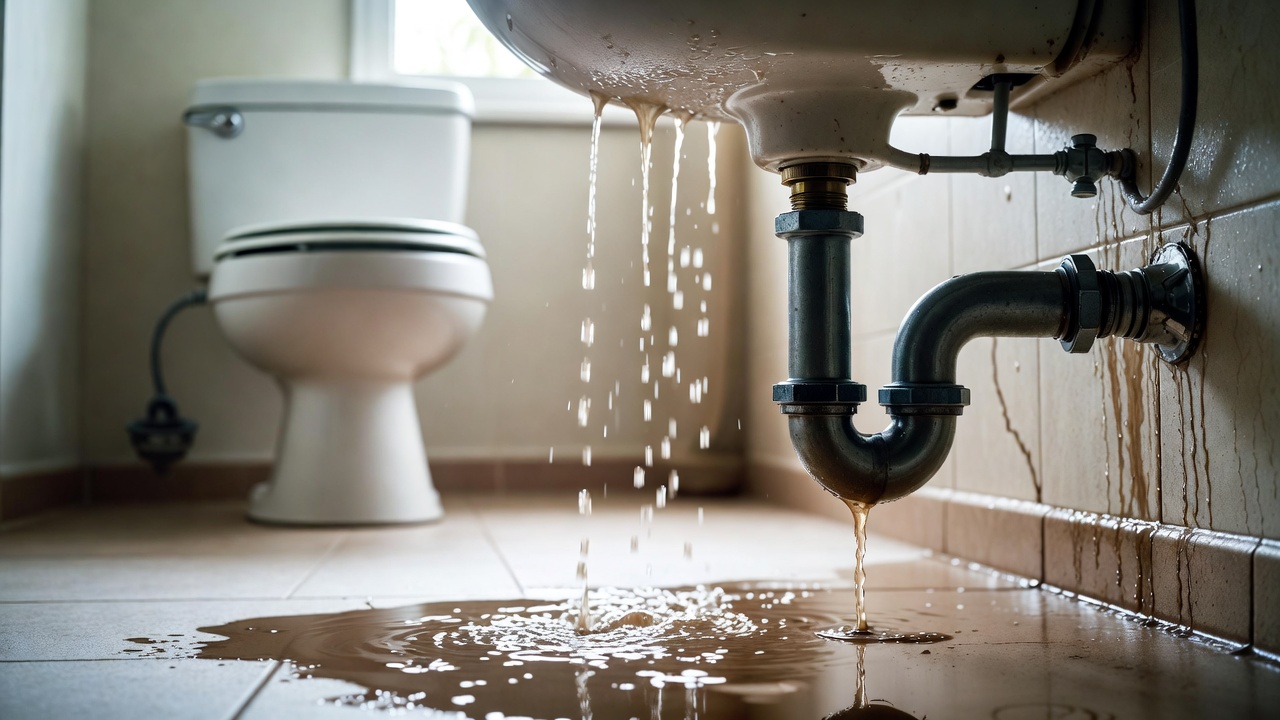
Updating the house’s electrical and plumbing systems is often necessary to meet modern standards and ensure safety. However, these updates should be carried out carefully to avoid damaging the structure. For instance, rewiring should be done with minimal disruption to walls and ceilings. Similarly, plumbing updates should be planned to prevent leaks or other structural issues.
Working with experienced contractors who understand the complexities of older homes can help ensure these updates are made without compromising the building’s integrity. They can provide solutions that accommodate modern needs while respecting the original structure.
Practical steps for a successful renovation
- Plan thoroughly: Establish a detailed plan and budget before starting any work.
- Hire experts: Work with professionals familiar with old house renovations.
- Preserve key features: Identify and maintain original architectural elements.
- Use appropriate materials: Select materials that match the house’s historical period.
- Monitor progress: Regularly check on work to ensure quality and adherence to plans.
- Stay flexible: Be prepared for unexpected challenges that may arise.
Key data & statistics on home renovations
| Indicator | Value / Result | Interpretation |
|---|---|---|
| Average renovation cost | $40,000 – $75,000 | Varies by size and scope of project. |
| Return on investment (ROI) | 60% – 70% | Well-planned renovations can increase property value. |
| Common issues found | 40% structural, 30% electrical | Pre-renovation inspections reveal common problems. |
| Time to complete | 6 – 12 months | Typical duration for comprehensive renovations. |
Practical tips for success
Successfully renovating an old house requires careful planning and attention to detail. The following tips can help homeowners navigate the complexities of such projects, ensuring a balance between modern comfort and historical preservation.
Before diving into the renovation process, it’s important to consider common pitfalls such as underestimating costs or failing to account for structural issues. These mistakes can lead to unexpected expenses and delays. By prioritizing thorough planning and expert advice, homeowners can avoid these challenges and achieve their renovation goals.
Tips for successful renovations
- Budget wisely: Allocate funds for unexpected repairs or issues.
- Consult experts: Seek advice from architects and engineers.
- Maintain integrity: Preserve original features wherever possible.
- Use quality materials: Invest in durable, period-appropriate materials.
- Stay informed: Keep up with regulations and safety standards.
Pros and cons of renovating old houses
| Pros | Cons |
|---|---|
| Unique character and charm. | Potential for hidden structural issues. |
| Increased property value. | Higher initial costs. |
| Preservation of history. | Possible hazardous materials. |
| Opportunity for customization. | Time-consuming process. |
| Tax incentives for preservation. | Limited by historical regulations. |
Related articles on home renovation
❓ Frequently Asked Questions
What should I check before renovating an old house?
Before renovating, check the structural integrity, presence of hazardous materials like asbestos, and condition of the electrical and plumbing systems. This will help you plan effectively and avoid unexpected issues.
Can I modernize an old house without losing its character?
Yes, you can modernize while retaining character by preserving original features like woodwork, fixtures, and architectural details. Use materials that complement the house’s historical style for new elements.
How do I find professionals experienced in old house renovations?
Look for professionals with a proven track record in historic preservation. Recommendations can be sought from local historical societies or preservation organizations to find qualified contractors.
Are there tax benefits for renovating old houses?
Yes, some regions offer tax incentives for preserving historic properties. Check with local authorities or historic preservation offices for available programs and requirements.
What are the common challenges in renovating old houses?
Common challenges include dealing with outdated systems, unexpected structural issues, and hazardous materials. Proper planning and expert advice can mitigate these challenges.
How long does it usually take to renovate an old house?
The duration depends on the scope of the project, but comprehensive renovations typically take between six months to a year. Planning and permits can add to this timeline.