In the ever-evolving world of interior design, staying updated with the latest trends is crucial for transforming modern homes into stylish sanctuaries. As we embrace new styles and innovative concepts, homeowners are constantly seeking inspiration to create spaces that reflect their personalities while remaining functional and contemporary. The impact of these trends is significant, as they not only enhance the aesthetic appeal of a home but also its market value and livability.
In this article, we will explore the latest interior design trends that are shaping modern homes. From color palettes and materials to furniture and technology integration, you will gain insights into how to incorporate these trends into your living spaces effectively. Whether you’re planning a full-scale renovation or a simple refresh, this guide will equip you with the knowledge to make informed design decisions.
Complete guide to the latest interior design trends
As design preferences evolve, so do the elements that define modern home interiors. The current trends showcase a blend of aesthetics and functionality, creating spaces that are both beautiful and practical.
Sustainable and eco-friendly materials
Biophilic design
Biophilic design is gaining traction as homeowners seek to incorporate nature into their living spaces. This trend emphasizes the use of natural elements, such as wood, stone, and plants, to create a harmonious environment. For instance, installing a vertical garden or using reclaimed wood for furniture can significantly enhance the natural appeal of a home.
Another aspect of this trend is the use of materials that promote sustainability. Bamboo flooring, cork wall coverings, and recycled glass countertops are not only eco-friendly but also add a unique texture and visual interest to interiors.
Low-impact materials
Low-impact materials like hemp, jute, and organic cotton are becoming popular due to their minimal environmental footprint. These materials are used in various applications, from upholstery to draperies, offering both style and sustainability. By opting for such materials, homeowners can reduce their ecological impact while achieving a modern aesthetic.
Smart home integration
Automated systems
Smart home technology is revolutionizing the way we interact with our living spaces. Automated systems, such as lighting controls, climate regulation, and security features, provide convenience and enhance the functionality of a home. For example, installing smart thermostats can help maintain optimal temperatures while reducing energy consumption.
Furthermore, voice-activated assistants and smart appliances are increasingly being integrated into modern interiors. These technologies not only make daily tasks easier but also contribute to a sleek, futuristic aesthetic.
Color palettes and textures
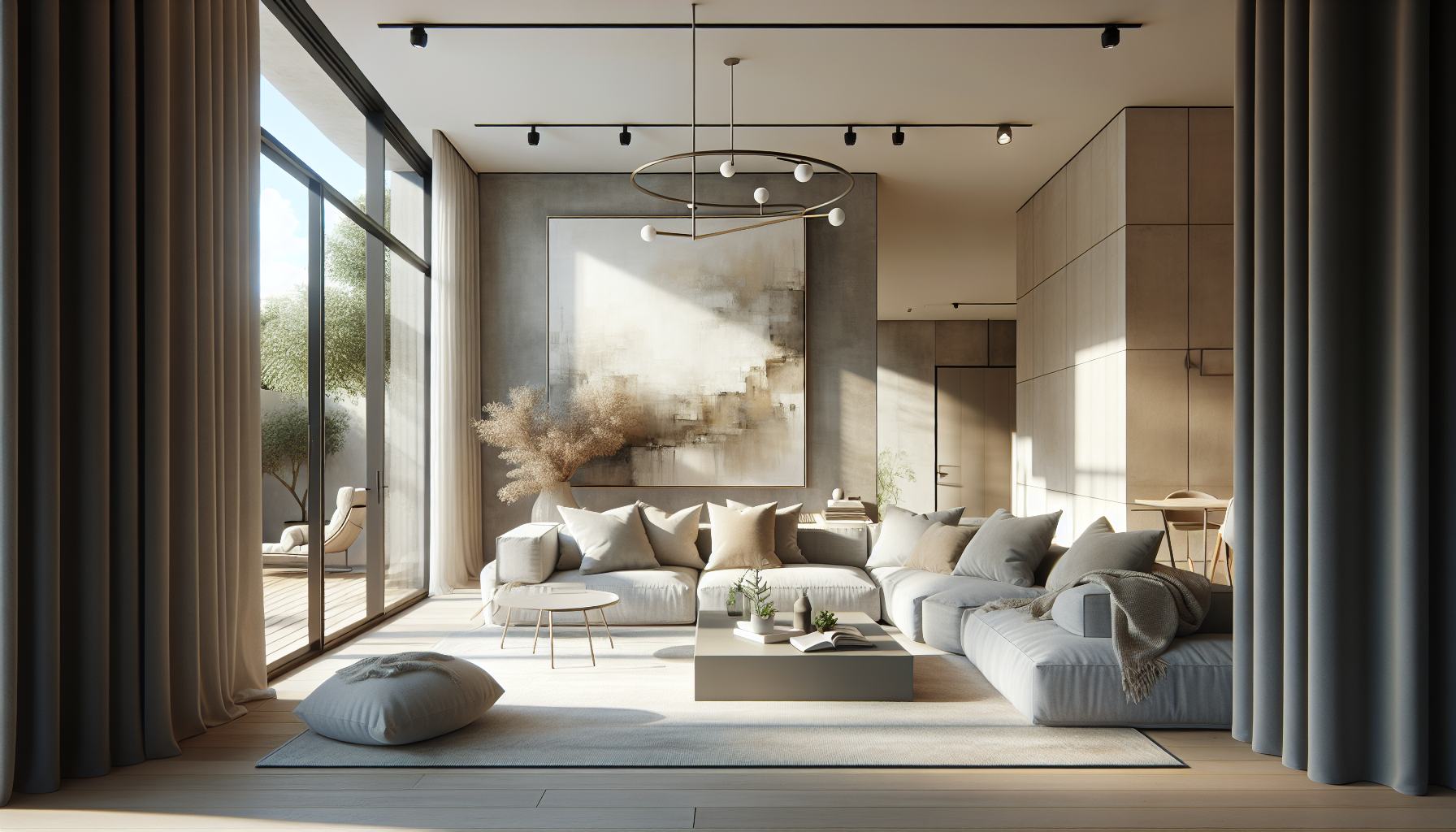
Color and texture play a pivotal role in defining the ambiance of a home. Current trends favor earthy tones, such as terracotta, sage green, and warm neutrals, which create a soothing and inviting atmosphere.
Practical steps to incorporate trends
- Choose sustainable materials: Opt for eco-friendly options like bamboo and recycled glass.
- Integrate smart technology: Install smart lighting and thermostats for efficiency.
- Use natural colors: Incorporate earthy tones to enhance warmth.
- Mix textures: Combine materials like wood and metal for contrast.
- Incorporate greenery: Add indoor plants for a fresh, natural vibe.
Key data & statistics on interior design trends
| Trend | Adoption Rate | Impact |
|---|---|---|
| Biophilic design | 45% | Enhances well-being and reduces stress. |
| Smart home tech | 60% | Improves efficiency and convenience. |
| Earthy color palettes | 55% | Creates a calming environment. |
| Sustainable materials | 50% | Reduces environmental impact. |
Practical tips for implementing interior design trends
Implementing the latest interior design trends can seem daunting, but with the right approach, it can be a rewarding experience. Understanding the benefits and potential challenges of each trend is crucial for making informed decisions.
Before diving into a design overhaul, consider starting with small changes that align with your lifestyle and preferences. This approach allows you to experiment without committing to a full-scale renovation, minimizing the risk of costly mistakes.
Tips for success in interior design
- Start small: Introduce trends gradually to gauge their impact.
- Stay informed: Keep up with design publications for inspiration.
- Balance trends: Mix current styles with timeless elements.
- Consider functionality: Ensure designs serve practical purposes.
- Consult professionals: Seek advice from interior designers for personalized solutions.
Pros and cons of following design trends
| Pros | Cons |
|---|---|
| Enhances home value. | Trends can be short-lived. |
| Improves aesthetics. | May require significant investment. |
| Increases functionality. | Potential for trend fatigue. |
| Reflects personal style. | Can lead to design inconsistencies. |
Explore similar articles
❓ Frequently Asked Questions
What is biophilic design?
Biophilic design is an approach that incorporates natural elements into the built environment, enhancing the connection between humans and nature. It uses materials like wood and plants to create a natural ambiance.
How can I incorporate smart technology into my home?
Start by integrating smart devices like thermostats, lighting systems, and security cameras. These devices can be controlled via smartphone apps, making your home more efficient and user-friendly.
Are sustainable materials more expensive?
While some sustainable materials may have higher upfront costs, they often lead to long-term savings by reducing energy consumption and maintenance expenses. Additionally, they contribute to a healthier environment.
What color trends are popular in modern homes?
Earthy tones such as terracotta, sage green, and warm neutrals are currently popular. These colors provide a calming effect and complement various design elements, creating a cohesive look.
Can I combine multiple design trends?
Yes, combining trends can create a unique and personalized space. However, it’s essential to maintain balance and cohesion to avoid a cluttered or inconsistent look.
Is hiring an interior designer necessary?
While not necessary, hiring an interior designer can provide expert guidance and save time. They can offer creative solutions, optimize space, and ensure that the design aligns with your vision and lifestyle.