Plumbing is a critical component in new construction projects, ensuring the efficient delivery of water and effective waste management. Whether you’re a builder, contractor, or property owner, understanding the fundamentals of plumbing in construction can prevent costly mistakes and ensure the longevity and reliability of the systems installed. With the rising complexity of modern buildings, grasping these basics is more important than ever.
This article will guide you through essential plumbing concepts, from initial planning to final installations. You’ll learn about the key components, necessary materials, and common challenges faced during construction. By the end, you’ll have a comprehensive understanding of what it takes to implement a successful plumbing system in new builds, enhancing both functionality and sustainability.
Complete guide to plumbing in new constructions
Plumbing in new constructions involves a series of steps, each vital for the creation of a reliable and functional system. It requires a strategic approach, starting from planning and choosing materials to installing systems under regulatory compliance.
Planning and designing the plumbing system
Initial considerations
Before any construction begins, it’s essential to have a detailed plan for the plumbing system. This includes determining the locations for bathrooms, kitchens, and utility rooms. Collaborating with architects and engineers during the design phase ensures that the plumbing layout complements the building’s structural and aesthetic requirements. Consideration must also be given to local building codes and environmental regulations to ensure compliance.
The plan should include pipe routes, fixture placements, and specifications for water supply and waste systems. Accurate planning helps avoid costly changes during construction and ensures that the system is both efficient and effective.
Choosing the right materials
The choice of materials significantly impacts the durability and efficiency of plumbing systems. Commonly used materials include copper, PVC, and PEX. Each has its advantages: copper is durable and reliable, PVC is cost-effective and easy to install, and PEX is flexible and resistant to scale and chlorine. Selecting the appropriate material depends on the specific needs of the building, budget constraints, and local plumbing codes.
Installing the plumbing system
Rough-in stage
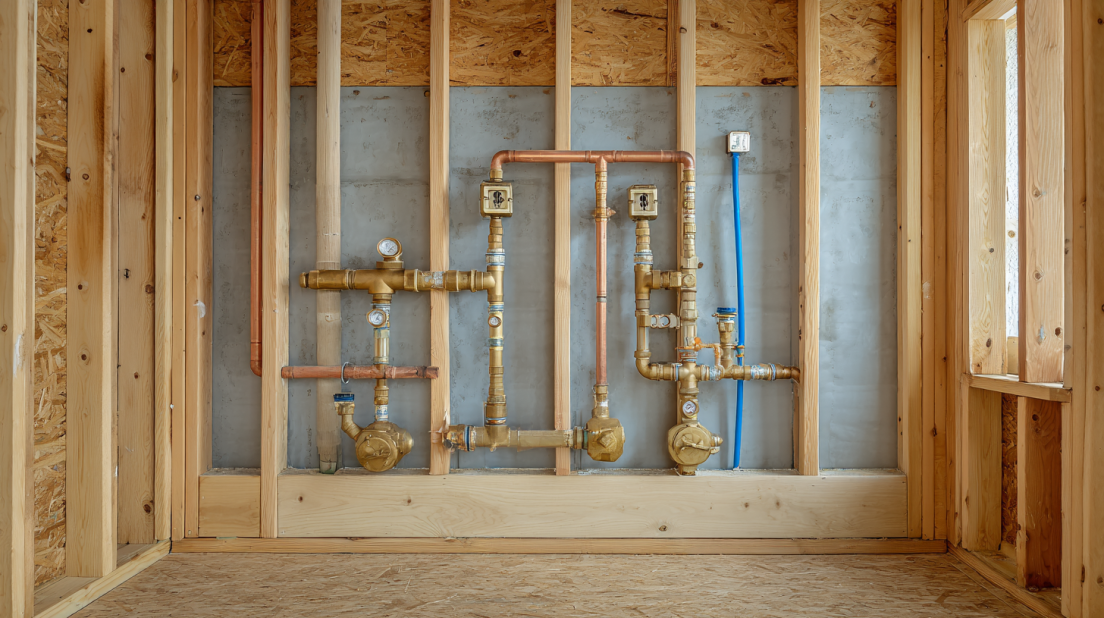
During the rough-in phase, pipes and connections are installed before the walls and floors are finished. This stage is crucial as it lays the foundation for the entire plumbing system. Precision is key, as errors at this stage can lead to significant issues later. Plumbing contractors must ensure that all installations are secure and tested for leaks to avoid future problems.
It’s essential to coordinate with other trades, such as electrical and HVAC, to prevent conflicts in space and scheduling. This collaboration helps maintain project timelines and budgets.
Final installation and testing
After the rough-in stage, fixtures such as sinks, toilets, and bathtubs are installed. This stage is often referred to as the trim-out phase. Ensuring that all fixtures are properly connected and functioning is critical. Thorough testing for leaks and proper water flow is necessary before the system is operational.
Practical steps for a successful plumbing project
- Create a detailed plan: Outline all plumbing requirements and layout before beginning construction.
- Select quality materials: Choose materials that meet project needs and local code requirements.
- Hire experienced professionals: Employ skilled plumbers to ensure proper installation and compliance.
- Coordinate with other trades: Ensure seamless integration with electrical and HVAC systems.
- Conduct thorough inspections: Regularly inspect installations to catch and correct issues early.
- Stay updated on codes: Keep abreast of local plumbing codes and regulations for compliance.
Key data & statistics in plumbing
| Indicator | Value / Result | Interpretation |
|---|---|---|
| Average cost of plumbing in new homes | $12,000 – $15,000 | Varies based on size and complexity of the project. |
| Common material choice | PEX | Favored for its flexibility and resistance to corrosion. |
| Common plumbing issues | Leaks | Often due to poor installation or aging materials. |
| Code compliance rate | 95% | Ensures safety and functionality of plumbing systems. |
| Average lifespan of plumbing systems | 50 years | With proper maintenance and quality materials. |
Practical tips for successful plumbing
Implementing a successful plumbing system in new constructions requires attention to detail and adherence to best practices. These tips will help ensure your plumbing project is efficient and reliable.
Understanding the common pitfalls and challenges in plumbing projects can save time and money. For example, one frequent issue is failing to account for future expansions, which can lead to costly alterations. By considering these aspects upfront, you can avoid potential setbacks.
Tips for success in plumbing projects
- Ensure accurate measurements: Precise measurements prevent misalignment and costly adjustments.
- Use quality fixtures: Invest in durable fixtures to avoid frequent replacements.
- Implement water-efficient solutions: Opt for fixtures that conserve water, reducing utility bills.
- Regular maintenance: Plan for regular inspections to maintain system integrity.
- Educate the team: Ensure that all team members understand the plumbing plan and requirements.
Pros and cons of current plumbing practices
| Pros | Cons |
|---|---|
| Durability of materials | High initial costs |
| Advanced technology integration | Complex maintenance |
| Improved water efficiency | Potential for technology failure |
| Compliance with codes | Frequent updates required |
Related articles on construction
❓ Frequently asked questions about plumbing
What is the most important step in plumbing installation?
The most critical step is the rough-in phase. This is when the main pipes and connections are installed. Ensuring these are accurately placed and secured prevents future leaks and system failures.
How can I ensure my plumbing system is efficient?
To ensure efficiency, use high-quality materials and fixtures, implement water-saving technologies, and regularly maintain the system to prevent leaks and inefficiencies.
What are common plumbing issues in new constructions?
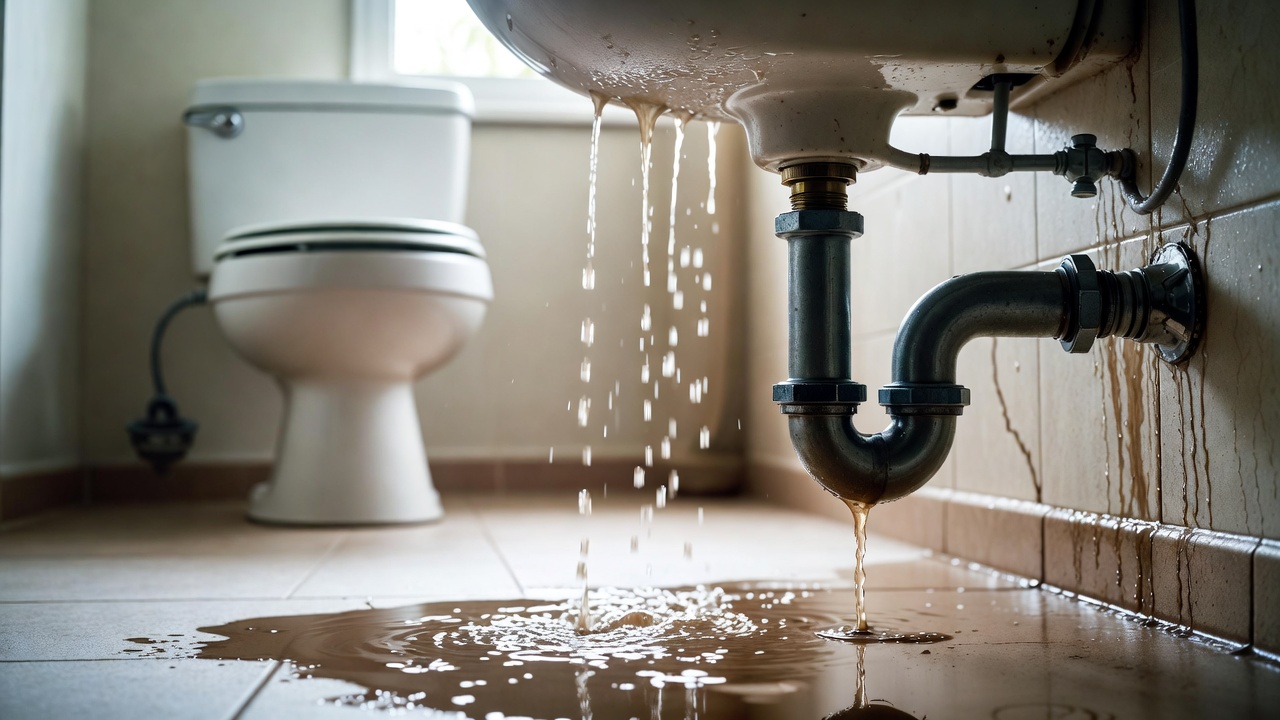
Common issues include leaks, improper drainage, and non-compliance with building codes. These often arise from poor installation practices and inadequate planning.
Why is regular maintenance important for plumbing?
Regular maintenance helps identify potential problems early, prolongs the life of your plumbing system, and ensures it operates efficiently, saving on costly repairs and high water bills.
How do I choose the right plumber for my project?
Choose a licensed and insured plumber with experience in similar projects. Check their references and reviews to ensure reliability and quality of work.
What role do plumbing codes play in construction?
Plumbing codes ensure safety and health standards are met. They guide the installation process, ensuring systems are safe, efficient, and environmentally friendly.