Building a house is a significant milestone that requires careful planning, decision-making, and resource management. As we approach 2026, the construction industry is set to undergo substantial changes, influenced by technological advancements and environmental considerations. Understanding the key steps involved in building a house can help ensure a successful project that meets modern standards.
In this guide, we will explore crucial steps to building a house in 2026. From selecting the right location and designing a sustainable home to navigating legal requirements and managing budgets, this article covers everything you need to know to embark on this rewarding journey.
Complete guide to building a house in 2026
Building a house in 2026 requires a comprehensive approach, integrating modern technologies and sustainable practices. It is crucial to stay informed about industry trends and regulations to ensure your project aligns with future standards.
Choosing the Right Location
Site Evaluation and Selection
The first step in building a house is selecting the ideal location. Factors such as proximity to essential services, climate conditions, and land stability are critical. Conduct a thorough evaluation of potential sites, considering future developments and zoning regulations. Engaging with a real estate expert can provide insights into the best locations that offer long-term value.
Moreover, assess the environmental impact of your chosen site. Opt for locations that support sustainable building practices, such as those with access to renewable energy sources or effective water management systems.
Accessibility and Community
Access to transportation and community amenities is paramount when selecting a location. Consider the convenience of commuting to work or school and the availability of public transport. A location within a thriving community can enhance the living experience, providing social and economic benefits.
Designing a Sustainable Home
Incorporating Green Technologies
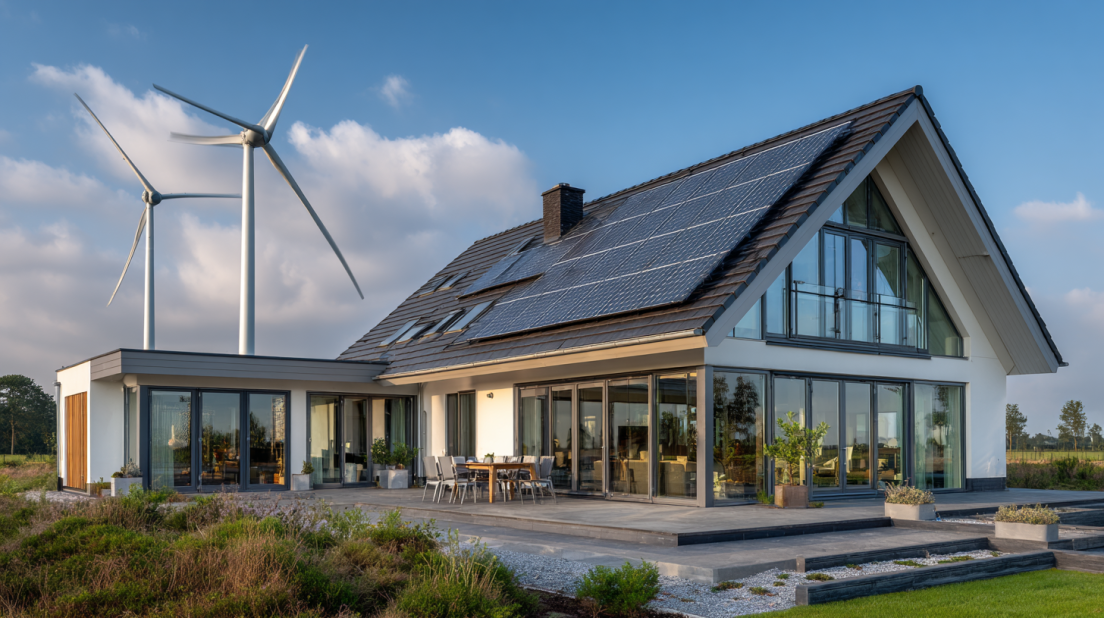
Incorporating sustainable design elements into your house is essential in 2026. Use energy-efficient appliances, solar panels, and smart home technologies to reduce environmental impact and operational costs. Leveraging green technologies not only contributes to environmental conservation but also adds long-term value to your property.
Consider the use of sustainable materials such as bamboo, recycled steel, or reclaimed wood. These materials offer durability and reduce the carbon footprint of your construction project, aligning with environmental goals.
Legal and Regulatory Compliance
Navigating the legal landscape of house building requires understanding local regulations and obtaining necessary permits. Ensure compliance with zoning laws, building codes, and environmental regulations. Working with a legal expert or consultant can streamline this process, reducing the risk of legal complications.
Practical steps for successful construction
- Set a realistic budget: Determine your financial capacity and plan for contingencies to avoid overspending.
- Choose a reliable contractor: Vet potential contractors thoroughly to ensure they have the expertise and experience needed.
- Develop a detailed timeline: Coordinate with your team to establish a realistic timeline that accommodates all phases of construction.
- Monitor progress regularly: Conduct regular site visits and meetings to track progress and address any issues promptly.
- Plan for sustainability: Incorporate energy-efficient solutions and sustainable materials from the outset.
Key data and statistics
| Indicator | Value / Result | Interpretation |
|---|---|---|
| Average construction cost per sq ft (2026) | $150 | Reflects an increase due to inflation and material costs. |
| Percentage of green homes | 40% | Indicates growing adoption of sustainable building practices. |
| Time to complete a house | 12-18 months | Varies based on complexity and size of the project. |
| Home automation adoption rate | 65% | Shows the trend towards smart homes. |
Practical tips for building a house in 2026
Embarking on a house-building project can be daunting, but with the right strategies, you can achieve a successful outcome. Applying practical tips ensures that your project is completed efficiently and to the highest standards.
Before starting, consider possible challenges such as budget overruns or delays. Understanding common pitfalls and learning from others’ experiences can help you avoid these issues. Here are some practical tips to guide you through the construction process.
Tips for success
- Research extensively: Stay informed about the latest building trends and technologies.
- Maintain open communication: Keep lines of communication open with your contractor and team members.
- Prioritize quality: Choose quality materials and skilled labor to ensure a durable build.
- Plan for flexibility: Be prepared to adapt plans as needed without compromising on quality.
- Focus on energy efficiency: Implement solutions that reduce energy consumption and costs.
Pros and cons of building a house in 2026
| Pros | Cons |
|---|---|
| Customizable design options. | Higher initial costs compared to buying an existing home. |
| Opportunity to incorporate sustainable technologies. | Potential for delays due to supply chain issues. |
| Modern amenities and smart home features. | Complex regulatory and permitting process. |
| Investment in a high-value asset. | Requires significant time and project management skills. |
Similar articles on home construction
❓ Frequently asked questions
What is the average cost to build a house in 2026?
The average cost to build a house in 2026 is approximately $150 per square foot. This figure reflects current market trends and considers factors such as inflation, material costs, and labor rates. Costs may vary depending on location, design complexity, and additional features.
How long does it take to build a house?
Building a house typically takes between 12 to 18 months. The timeline can vary based on the size and complexity of the project, weather conditions, and availability of materials and labor. Proper planning and project management can help minimize delays.
What are the benefits of building a sustainable home?
Sustainable homes offer numerous benefits, including reduced energy consumption, lower utility bills, and a smaller environmental footprint. They also provide healthier indoor environments and increase property value due to the growing demand for eco-friendly living spaces.
What legal permits are needed to build a house?
Building a house requires several permits, including zoning permits, building permits, and environmental assessments. These permits ensure compliance with local regulations and safety standards. Consulting with a legal expert or local authorities can help you navigate the permitting process efficiently.
How can I finance my house-building project?
Financing a house-building project can be achieved through various options such as construction loans, home equity loans, or personal savings. Consulting with a financial advisor can help determine the best financing strategy based on your financial situation and project scope.
What are the latest trends in home construction?
Current trends in home construction include the integration of smart home technology, sustainable building materials, and energy-efficient solutions. There is also a growing emphasis on flexible living spaces that accommodate changing family dynamics and remote work requirements.