
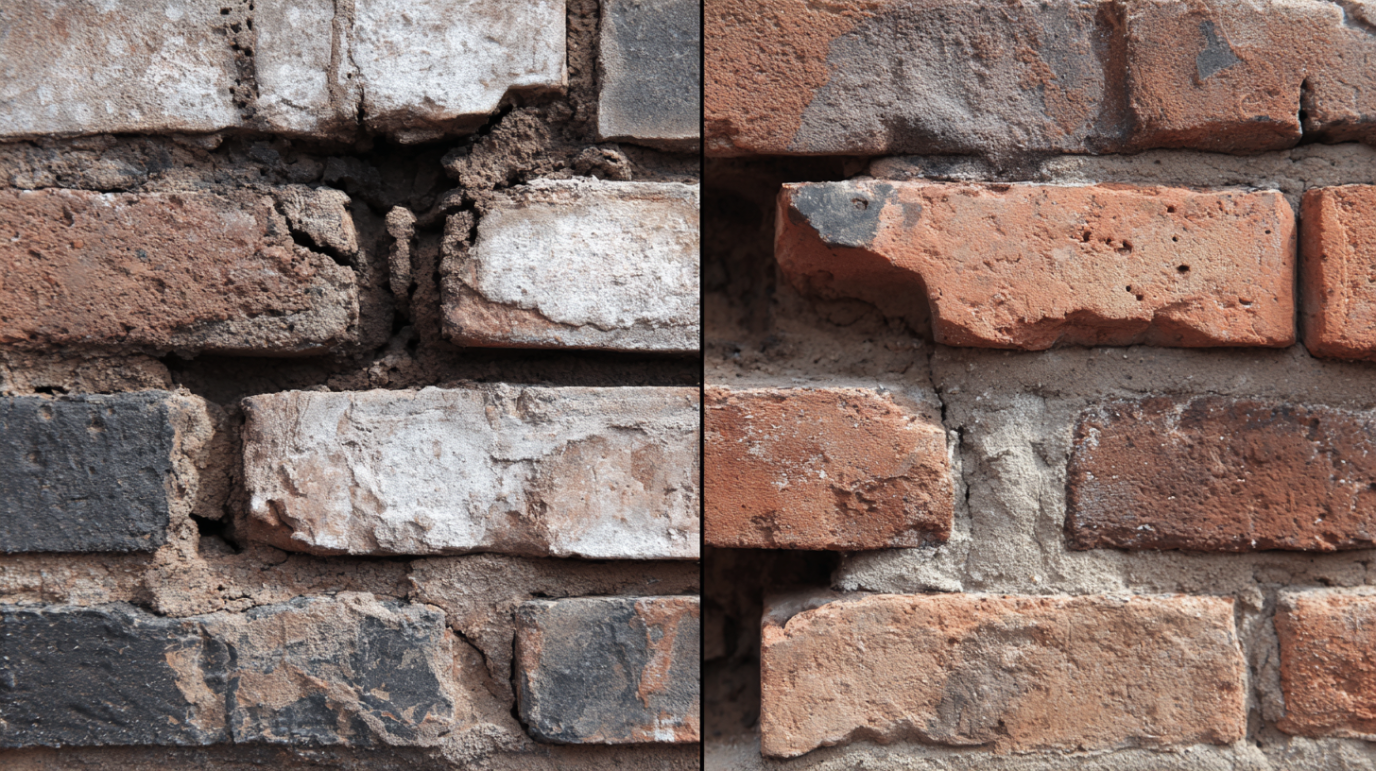
Masonry is a time-honored craft that forms the backbone of many construction projects worldwide. However, even seasoned builders can make common masonry mistakes that compromise the structural integrity and longevity of their projects. These errors, whether due to oversight or lack of knowledge, can lead to costly repairs and safety hazards. Understanding and avoiding these mistakes is crucial not just for construction professionals but for anyone involved in building projects.
This article will delve into the most frequent masonry mistakes and provide practical guidance on how to prevent them. By the end, you’ll be equipped with the knowledge to ensure your masonry work is both durable and aesthetically pleasing. This information is vital in maintaining the quality and safety of construction projects, ultimately saving time and resources.
Understanding common masonry mistakes
Masonry is an ancient craft, yet modern construction projects still face numerous challenges. Whether it’s a residential home or a commercial building, avoiding common masonry mistakes is essential for the project’s success. Proper planning and execution can mitigate these issues, ensuring a structurally sound and visually appealing result.
Poor mortar mixing
Inadequate mixing ratios
One of the most frequent errors in masonry is improper mortar mixing. Mortar serves as the glue that holds bricks or stones together, so the correct mix is crucial. A common mistake is using incorrect water-to-cement ratios. This can lead to weak mortar, which compromises the structure’s integrity. According to a Portland Cement Association report, maintaining the right consistency is key to achieving optimal strength.
To avoid this, always follow manufacturer guidelines for mixing ratios and environmental conditions. Consistency checks and regular training for workers can also help in preventing this oversight.
Using contaminated water
Another issue is using water that’s not clean or free from impurities. Contaminants can affect the chemical composition of the mortar, leading to weakness or discoloration. Ensuring that the water used is potable and free from contaminants is essential for maintaining mortar quality.
Incorrect brick placement
Misalignment
Proper alignment is critical in masonry work. Misaligned bricks or stones can lead to structural weaknesses and poor aesthetics. Consistent measurements and the use of guides or levels help in achieving the correct alignment. Regular checks during the construction process are crucial to identify and correct any deviations early.
Moreover, investing in quality tools and training workers in their proper use can significantly reduce the chances of misalignment.
Ignoring thermal expansion
Buildings are subject to various environmental stresses, including thermal expansion. Ignoring these factors can lead to cracks and structural damage. Installing expansion joints is a practical solution to accommodate movement and prevent cracking. According to the American Concrete Institute, proper placement and sizing of these joints are critical.
Practical steps to avoid masonry mistakes
- Use quality materials: Ensure all materials meet industry standards to avoid future defects.
- Conduct regular training: Keep workers updated with the latest masonry techniques and safety protocols.
- Implement quality checks: Routine inspections can catch errors early, preventing costly fixes.
- Utilize proper tools: Invest in and maintain high-quality masonry tools for precision work.
- Plan for weather conditions: Schedule work considering weather impacts to avoid material damage.
- Consult experts: When in doubt, consult with structural engineers or seasoned masons for guidance.
Key data & statistics
| Indicator | Value / Result | Interpretation |
|---|---|---|
| Mortar strength issues | 30% of projects | Due to incorrect mixing ratios. |
| Brick alignment errors | 25% occurrence | Improper use of tools and guides. |
| Expansion joint failures | 15% of cases | Lack of knowledge about thermal expansion. |
| Quality material usage | 70% compliance | Projects using high-standard materials perform better. |
| Training and expertise | 60% improvement | Regular training reduces mistakes significantly. |
Practical tips and the pros and cons of masonry
Understanding and implementing practical tips can significantly reduce the occurrence of masonry mistakes. These tips are designed to enhance quality, efficiency, and safety in masonry projects. By following them, builders can avoid common pitfalls and ensure superior construction outcomes.
One common mistake is neglecting the importance of weather conditions when planning masonry work. Weather can affect mortar curing and worker productivity. Planning around adverse conditions can prevent unnecessary delays and quality issues, resulting in a more efficient workflow and better end results.
Tips for success in masonry projects
- Ensure precise measurements: Accurate measurements prevent misalignment and structural issues.
- Maintain clean tools: Clean tools ensure better performance and prevent contamination.
- Schedule regular maintenance: Routine checks extend the life of masonry structures.
- Use protective gear: Safety gear reduces injury risk and enhances worker efficiency.
- Stay informed on regulations: Compliance with local building codes ensures legality and safety.
Pros and cons of using masonry
| Pros | Cons |
|---|---|
| Durability | Heavy and labor-intensive |
| Fire resistance | Expensive materials |
| Sound insulation | Long construction time |
| Low maintenance | Limited design flexibility |
| Energy efficiency | Requires skilled labor |
Similar articles you might find helpful
Key steps to successfully build a house in 2026
How to build a new home without exceeding budget
Modern masonry techniques for durable construction
❓ Frequently Asked Questions
What is the most common mistake in masonry?
Improper mortar mixing is a prevalent mistake. It can weaken the structure, leading to potential collapse. Using the correct water-to-cement ratio is crucial for ensuring strength and durability.
How can I prevent brick misalignment?
Using a level and consistent measurements can prevent brick misalignment. Regular checks and the use of guides are essential to maintain uniformity during construction.
Why are expansion joints important?
Expansion joints accommodate thermal expansion and contraction, preventing cracks in masonry work. They are vital in maintaining structural integrity and longevity.
What materials are best for masonry?
High-quality bricks and stones, along with premium mortar mixes, are best. They ensure the strength, durability, and aesthetic appeal of masonry structures.
How does weather affect masonry work?
Weather conditions like rain and extreme temperatures can impact mortar curing and worker efficiency. Planning around these conditions helps prevent project delays and quality issues.
What are the benefits of masonry training?
Masonry training improves skill levels, reduces errors, and enhances safety on-site. Regular training keeps workers updated on the latest techniques and industry standards.