
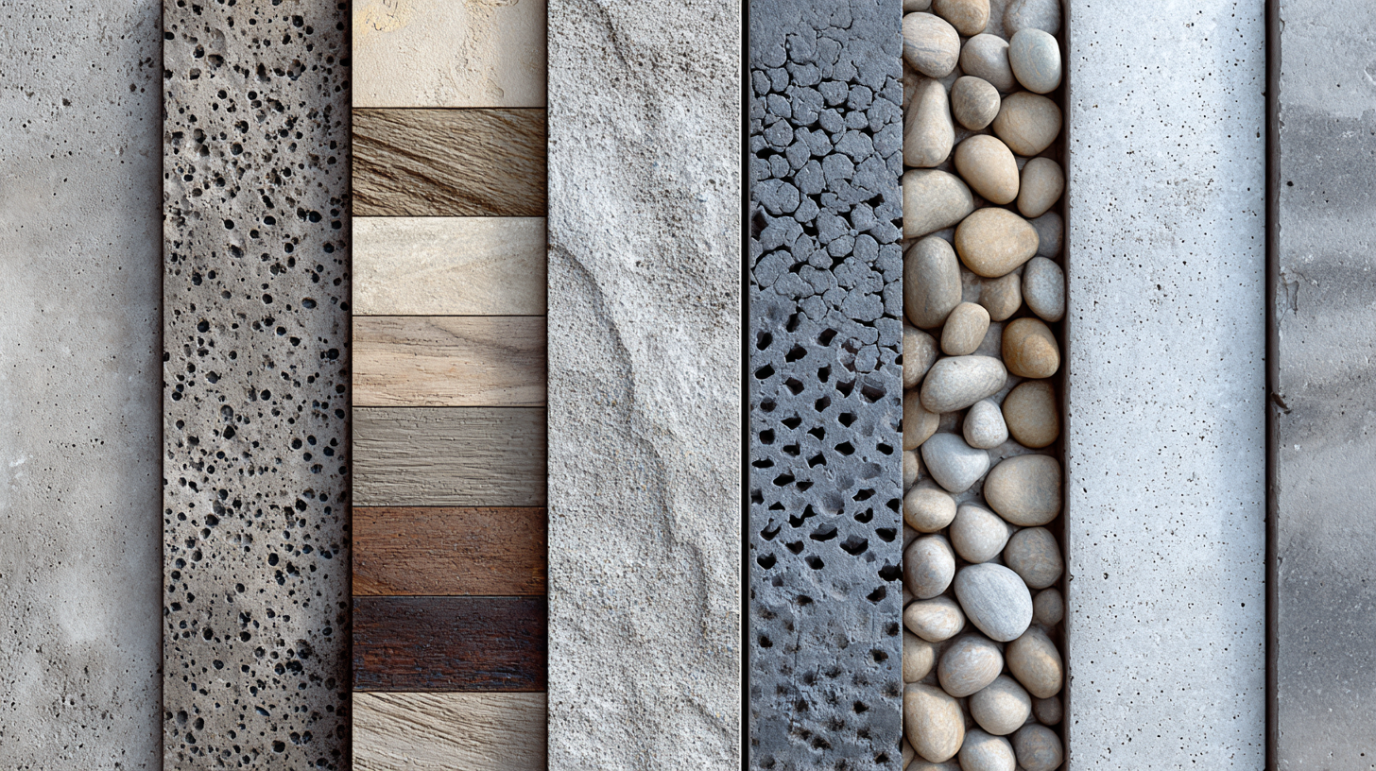
Concrete is a cornerstone of modern construction, providing the foundation for countless structures worldwide. Its versatility, strength, and durability make it an essential building material. Understanding the different types of concrete and their specific uses can greatly influence the success of any construction project, whether it’s a skyscraper or a residential home.
In this article, we will delve into the various types of concrete available today and their distinct applications in the construction industry. This knowledge is crucial for architects, builders, and anyone involved in the construction process to ensure the right materials are used for each project.
Understanding different types of concrete
The world of concrete is vast, with each type offering unique properties suited for specific applications. Choosing the right type can enhance the structural integrity and longevity of your building project.
Ready-Mix Concrete
Definition and Benefits
Ready-mix concrete is pre-mixed and delivered to the construction site. It ensures consistent quality and saves time since it is prepared by professionals. Ideal for large projects, it minimizes the need for onsite mixing, reducing waste and improving efficiency.
This type of concrete is particularly beneficial for projects where space is limited, as the mixing occurs offsite. According to industry reports, ready-mix concrete accounts for over 75% of all concrete used worldwide.
Applications
Ready-mix concrete is suitable for building foundations, pavements, and large-scale commercial projects. Its consistent quality makes it a preferred choice for projects that require precision and durability.
Reinforced Concrete
What It Is
Reinforced concrete incorporates steel bars or fibers to enhance its tensile strength, making it ideal for structures that require additional support against tensile forces.
This type of concrete is crucial in the construction of bridges, buildings, and highways where the structure is subjected to heavy loads and stresses.
Precast Concrete
Precast concrete elements are manufactured in a controlled environment before being transported to the construction site. This allows for high-quality components with precise dimensions and finishes.
Practical steps to select the right concrete
- Assess project needs: Determine the structural requirements and environmental conditions.
- Consider durability: Choose concrete that withstands the expected wear and climate.
- Evaluate cost: Balance the material cost with the project budget constraints.
- Check supplier reputation: Ensure the supplier has a history of providing quality materials.
- Consult professionals: Engage with structural engineers for expert advice.
Key data & statistics in concrete usage
| Concrete Type | Usage Percentage | Notes |
|---|---|---|
| Ready-Mix | 75% | Preferred for large projects due to ease of use. |
| Reinforced | 20% | Essential for structures facing heavy loads. |
| Precast | 15% | Used for high-quality, custom components. |
| Lightweight | 10% | Used in non-load-bearing structures. |
| High-Strength | 5% | Used in high-rise buildings and bridges. |
Practical tips for using concrete effectively
Effective use of concrete can significantly impact the success of a construction project. By following these tips, you can ensure that the concrete you choose meets your project’s needs and maintains its integrity over time.
A common pitfall in construction is neglecting to consider environmental factors such as temperature and humidity, which can affect concrete curing times and structural integrity.
Tips for success with concrete
- Plan for weather: Avoid pouring concrete in extreme weather conditions.
- Ensure proper curing: Allow adequate time for concrete to cure before applying loads.
- Use quality materials: Source materials from reputable suppliers to ensure durability.
- Monitor mix ratios: Maintain precise ratios for optimal strength and performance.
- Regular inspections: Conduct routine checks to ensure the integrity of the concrete structure.
Pros and cons of different concrete types
| Pros | Cons |
|---|---|
| High strength and durability | Can be costly for small projects |
| Versatile applications | Requires skilled labor for installation |
| Low maintenance | Susceptible to cracking without reinforcement |
| Eco-friendly options available | Limited design flexibility |
Related articles you might find helpful
Explore more insights on construction and building techniques by reading our other articles:
❓ Frequently asked questions
What is the most commonly used type of concrete?
Ready-mix concrete is the most commonly used type of concrete, accounting for over 75% of concrete used globally due to its convenience and quality control.
How does reinforced concrete differ from regular concrete?
Reinforced concrete includes steel reinforcement bars or fibers, enhancing its tensile strength and making it suitable for structures exposed to tensile stress.
Is precast concrete more expensive than other types?
Precast concrete can be more expensive upfront due to its manufacturing process, but it often reduces labor costs and construction time on site, balancing overall costs.
What are the environmental benefits of using concrete?
Concrete is durable and requires low maintenance, reducing the need for additional resources over time. Moreover, new technologies are creating more eco-friendly concrete options.
Can concrete be recycled?
Yes, concrete can be recycled. It is often crushed and reused as aggregate in new concrete mixes or as base material for roads and foundations.
What makes high-strength concrete different?
High-strength concrete is formulated to withstand higher loads, making it suitable for skyscrapers and bridges where additional strength is required.