Choosing effective thermal insulation for your home is crucial in maintaining a comfortable indoor environment while reducing energy consumption. With rising energy costs and the growing emphasis on sustainable living, selecting the right insulation materials has never been more important. Proper insulation not only conserves energy but also improves the overall efficiency of your home, making it a wise investment for the future.
In this comprehensive guide, we will explore the various types of insulation available, the factors to consider when selecting insulation, and practical tips to ensure you make the best choice for your specific needs. By understanding these key elements, you will be equipped to enhance your home’s comfort and energy efficiency, ultimately saving money and contributing to a more sustainable environment.
Guide to selecting thermal insulation for homes
Thermal insulation is a critical component in home construction and renovation, serving as a barrier to heat flow and maintaining a stable indoor climate. The effectiveness of insulation is measured by its R-value, which indicates its resistance to heat transfer. The higher the R-value, the better the insulation’s performance. Homeowners must consider several factors to choose the most suitable insulation for their needs.
Understanding insulation types
Fiberglass insulation
Fiberglass insulation is one of the most commonly used types due to its affordability and ease of installation. It consists of fine glass fibers and is available in batts, rolls, or loose-fill forms. Fiberglass is non-combustible and has a decent R-value, making it a popular choice for walls, attics, and ceilings. However, it requires careful handling during installation due to skin irritation risks.
Fiberglass is ideal for homeowners seeking a cost-effective solution with moderate performance. While it is not the most efficient material, it provides satisfactory results when properly installed. Choosing fiberglass can be a wise decision for budget-conscious projects, but it’s essential to ensure all gaps are covered to maximize its efficiency.
Foam board insulation
Foam board insulation is made from polystyrene, polyisocyanurate, or polyurethane, offering high insulation value with minimal thickness. This type is ideal for insulating foundations, basement walls, and exterior walls. Foam boards are resistant to moisture and provide excellent thermal resistance, making them suitable for areas prone to dampness.
Factors affecting insulation choice
Climate considerations
Climate plays a significant role in determining the appropriate insulation type. In colder regions, insulation with a higher R-value is essential to prevent heat loss. Conversely, in warmer climates, materials that effectively block heat gain, such as reflective insulation, may be more beneficial. Understanding your local climate will guide you in selecting insulation that optimizes energy efficiency throughout the year.
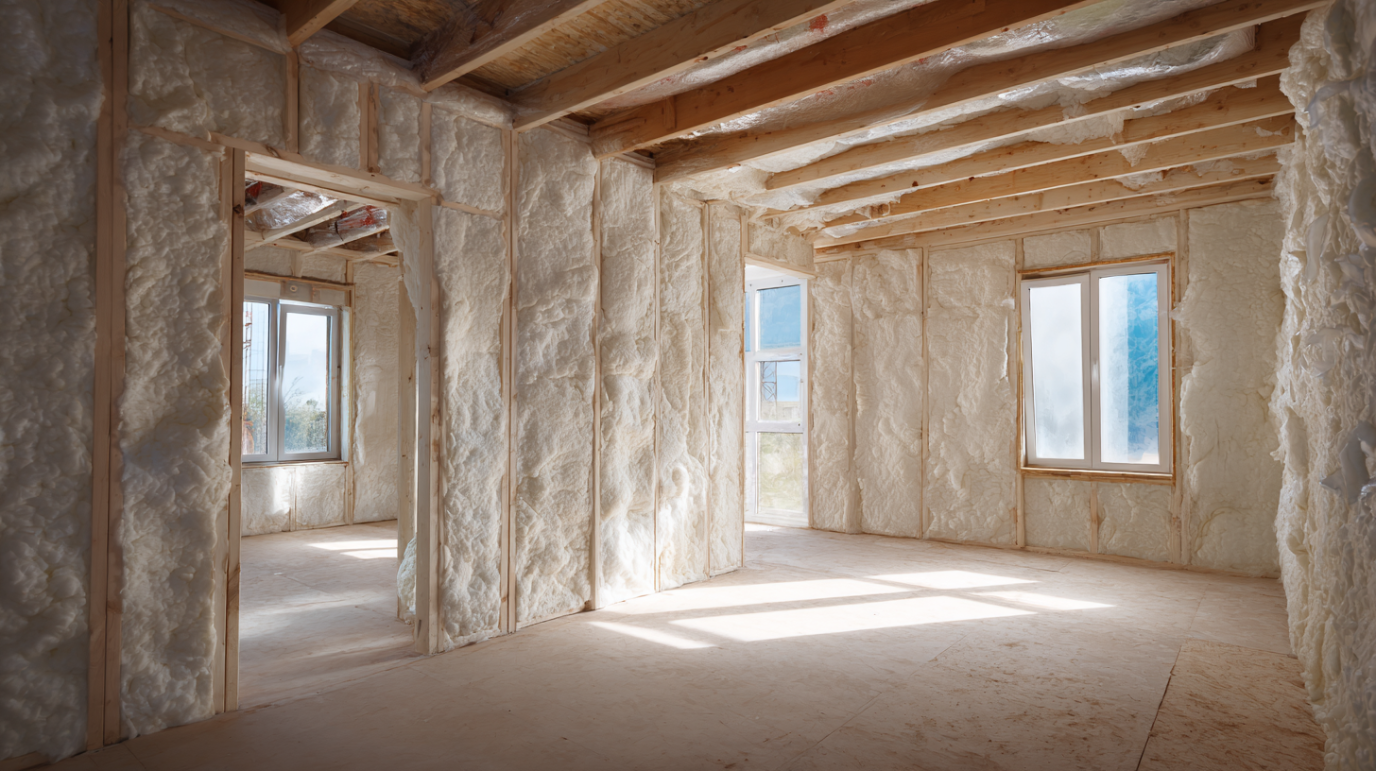
Choosing the right insulation involves balancing its thermal properties with the climate demands. For example, according to the Department of Energy, homes in colder areas benefit from materials like spray foam, which has superior air-sealing capabilities.
Practical steps for improving insulation
- Conduct an energy audit: Assess your home’s current insulation performance to identify areas needing improvement.
- Evaluate R-value requirements: Determine the necessary R-value based on your climate and specific areas of the house.
- Consider installation method: Decide between DIY or professional installation based on the complexity of the project.
- Research material options: Compare different insulation materials for cost, performance, and environmental impact.
- Plan for ventilation: Ensure proper ventilation to prevent moisture accumulation and maintain indoor air quality.
Key data & statistics on home insulation
| Indicator | Value / Result | Interpretation |
|---|---|---|
| Average R-value for attics | R-30 to R-49 | Higher R-values are recommended for colder climates. |
| Energy savings from proper insulation | 10-20% | Proper insulation can significantly reduce heating and cooling costs. |
| Cost of fiberglass insulation per square foot | $0.40 to $1.50 | Affordable option for budget-conscious homeowners. |
| Foam board R-value per inch | R-4 to R-6.5 | Provides high insulation value with minimal thickness. |
| Reduction in carbon footprint | Up to 80% | Effective insulation contributes to lower energy consumption and emissions. |
Practical tips for effective home insulation
Implementing effective thermal insulation in your home requires strategic planning and informed decision-making. These practical tips will guide you in optimizing your insulation efforts, ensuring you achieve maximum energy savings and comfort year-round.
Before diving into specific tips, consider common pitfalls, such as insufficient coverage and improper installation, which can undermine insulation performance. Avoid these by following expert recommendations and considering professional assistance when needed.
Tips for successful insulation
- Seal air leaks: Identify and seal gaps around windows, doors, and ducts to enhance insulation efficiency.
- Insulate attics and basements: Prioritize these high-heat-loss areas for improved energy conservation.
- Choose sustainable materials: Opt for eco-friendly insulation options to reduce environmental impact.
- Regular maintenance checks: Inspect insulation periodically to ensure it remains effective and in good condition.
- Consider rebates and incentives: Explore government programs offering financial incentives for energy-efficient upgrades.
Pros and cons of different insulation types
| Pros | Cons |
|---|---|
| Effective in reducing energy bills | Initial installation cost can be high |
| Enhances indoor comfort | Some materials require professional installation |
| Eco-friendly options available | Performance can degrade over time |
| Improves home resale value | May require specialized disposal methods |
| Wide variety of materials | Not all types are suitable for every climate |
Related articles
❓ Frequently Asked Questions
What is the most effective type of home insulation?
The effectiveness of insulation depends on various factors, including climate, location, and budget. Generally, spray foam insulation offers superior thermal resistance and air-sealing properties, making it highly effective. However, it is more expensive than other options. Fiberglass and cellulose also provide good insulation at a lower cost, making them suitable for many applications.
How can I tell if my home needs more insulation?
Signs that your home may need more insulation include uneven temperatures between rooms, high energy bills, drafts, and cold walls or floors. Conducting an energy audit can help identify areas where insulation is lacking. Professionals can use thermal imaging to pinpoint specific problem areas that need attention.
Is it worth investing in professional insulation installation?
Professional installation ensures that insulation is applied correctly and efficiently, preventing common installation errors that DIY projects might encounter. While it can be more costly upfront, professional work can enhance performance and longevity, resulting in greater energy savings and comfort over time.
What are the environmental benefits of proper insulation?
Proper insulation reduces energy consumption, leading to lower greenhouse gas emissions. It also decreases the demand for heating and cooling, which can conserve non-renewable energy resources. Additionally, using eco-friendly materials can further minimize the environmental impact, contributing to sustainable building practices.
How often should insulation be replaced?
Insulation can last 20 to 30 years, but its effectiveness can diminish due to factors like moisture, pest infestation, or physical damage. Regular inspections every few years can assess its condition. If you notice significant energy inefficiencies or physical degradation, it may be time to replace or upgrade your insulation.
Can I combine different types of insulation?
Yes, combining different types of insulation can be beneficial. For instance, using spray foam for air sealing and fiberglass batts for additional insulation can optimize performance. However, it’s crucial to ensure compatibility and adhere to building code requirements to achieve the desired results.