
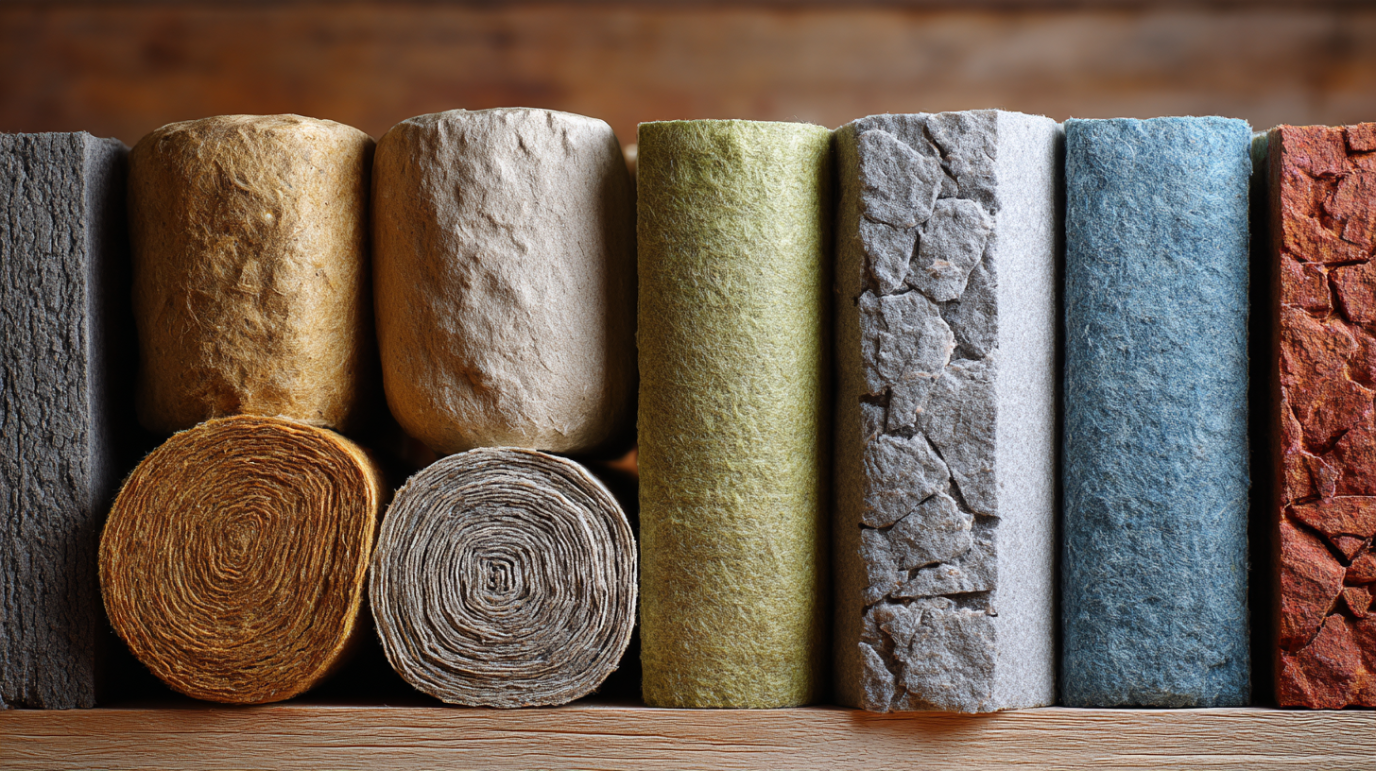
In the modern age of construction, energy efficiency stands as a critical consideration for both residential and commercial buildings. As energy costs rise and environmental concerns grow, the need for effective insulation becomes paramount. Insulation is the unsung hero in the battle against energy waste, offering both comfort and cost savings to property owners. By choosing the right insulation materials, buildings can significantly reduce energy use, leading to lower utility bills and a reduced carbon footprint.
This article delves into the best insulation materials available today, providing a comprehensive guide to their benefits, applications, and impact on energy conservation. Readers will gain insight into how these materials work, their installation processes, and the long-term benefits they bring to any building project. Whether you are a homeowner, builder, or architect, understanding these options will empower you to make informed decisions that enhance building performance and sustainability.
Complete guide to effective insulation materials
Choosing the right insulation material is crucial for maximizing energy efficiency in buildings. Different materials offer varying levels of thermal resistance and are suited to different applications. Understanding these differences is key to selecting the appropriate insulation for your needs.
Fiberglass insulation
Composition and benefits
Fiberglass insulation is one of the most commonly used materials due to its affordability and effectiveness. Made from glass fibers, it provides excellent thermal performance by trapping air within its structure. This slows down the transfer of heat, ensuring that homes stay warm in winter and cool in summer. Fiberglass is also resistant to moisture and fire, adding an extra layer of safety.
Furthermore, fiberglass insulation comes in various forms, including batts, rolls, and loose-fill, making it versatile for different applications. It is particularly beneficial in attics, walls, and floors, where it can significantly reduce energy consumption.
Installation process
The installation of fiberglass insulation is relatively straightforward, especially when using batts or rolls. These can be cut to size and fitted between studs in walls or joists in floors. Loose-fill fiberglass requires a blowing machine, making it ideal for hard-to-reach areas and attics.
Mineral wool insulation
Types and applications
Mineral wool, including rock wool and slag wool, offers excellent insulation properties. It is particularly known for its fire-resistant nature, making it suitable for buildings where fire safety is a priority. Mineral wool is also highly resistant to moisture, reducing the risk of mold growth.
This type of insulation is effective in both thermal and acoustic applications, making it popular in residential and commercial settings. It is commonly used in external walls, roofs, and floors, where it contributes to energy efficiency and noise reduction.
Spray foam insulation
Advantages of spray foam
Spray foam insulation provides superior air sealing compared to traditional materials. It expands upon application, filling gaps and cracks that other types of insulation might miss. This not only improves thermal resistance but also enhances indoor air quality by minimizing drafts and air leakage.
There are two main types of spray foam: open-cell and closed-cell. Open-cell foam is less dense and ideal for interior applications, while closed-cell foam offers greater rigidity and moisture resistance, making it suitable for exterior applications.
Practical steps for choosing insulation
- Assess building needs: Consider factors such as climate, budget, and building design to determine the best insulation type.
- Evaluate R-value: Choose materials with the appropriate R-value for your region to ensure optimal thermal resistance.
- Consider installation methods: Decide whether DIY installation or professional help is required based on the insulation type.
- Factor in sustainability: Opt for eco-friendly materials that contribute to environmental protection.
- Check local regulations: Ensure that the chosen insulation complies with local building codes and standards.
Key data & statistics
| Indicator | Value / Result | Interpretation |
|---|---|---|
| Average energy savings | 30% reduction | Effective insulation can reduce energy bills significantly. |
| R-value range | 3.0 to 7.0 per inch | Higher R-values indicate better insulation performance. |
| Installation cost | $1-$3 per square foot | Costs vary by material and installation complexity. |
| Carbon footprint reduction | Up to 40% | Choosing eco-friendly insulation lowers environmental impact. |
Practical tips for insulation success
Implementing the right insulation strategies is key to maximizing energy efficiency and comfort in buildings. By following practical tips, you can ensure that your insulation not only performs well but also contributes to a more sustainable environment.
Common mistakes such as poor installation or using the wrong material can lead to reduced effectiveness and higher energy costs. By avoiding these pitfalls, you can achieve optimal results and long-term savings.
Tips for success
- Seal gaps and cracks: Ensure all potential air leaks are sealed before installing insulation.
- Choose the right thickness: Match insulation thickness to the specific area and climate requirements.
- Maintain ventilation: Proper ventilation prevents moisture build-up and enhances insulation performance.
- Inspect regularly: Regular checks help maintain insulation effectiveness over time.
- Hire professionals: For complex installations, professional expertise can ensure optimal results.
Pros and cons of insulation materials
| Pros — in English | Cons — in English |
|---|---|
| Cost-effective | Installation complexity |
| Improves comfort | Potential health risks |
| Energy savings | Initial investment |
| Eco-friendly options | Limited availability |
| Fire resistance | Potential moisture issues |
Similar articles you may find interesting
❓ Frequently Asked Questions
What is the most effective insulation material?
The effectiveness of insulation materials varies based on application and climate. Fiberglass and spray foam are popular for their high R-values, while mineral wool is praised for its fire resistance.
How does insulation reduce energy use?
Insulation reduces energy use by minimizing heat transfer between the interior and exterior of a building. This maintains a stable indoor temperature, reducing the need for heating and cooling systems.
Is spray foam better than fiberglass?
Spray foam provides superior air sealing and can fill gaps that fiberglass might miss. However, fiberglass is more cost-effective and easier to install. The choice depends on specific needs and budget.
Can insulation help with noise reduction?
Yes, certain insulation materials like mineral wool are effective in noise reduction due to their dense composition, which absorbs sound waves and reduces sound transmission.
How often should insulation be replaced?
Insulation lifespan varies by material. Fiberglass can last 20-30 years, while spray foam can last indefinitely. Regular inspections will help determine if replacement is needed.