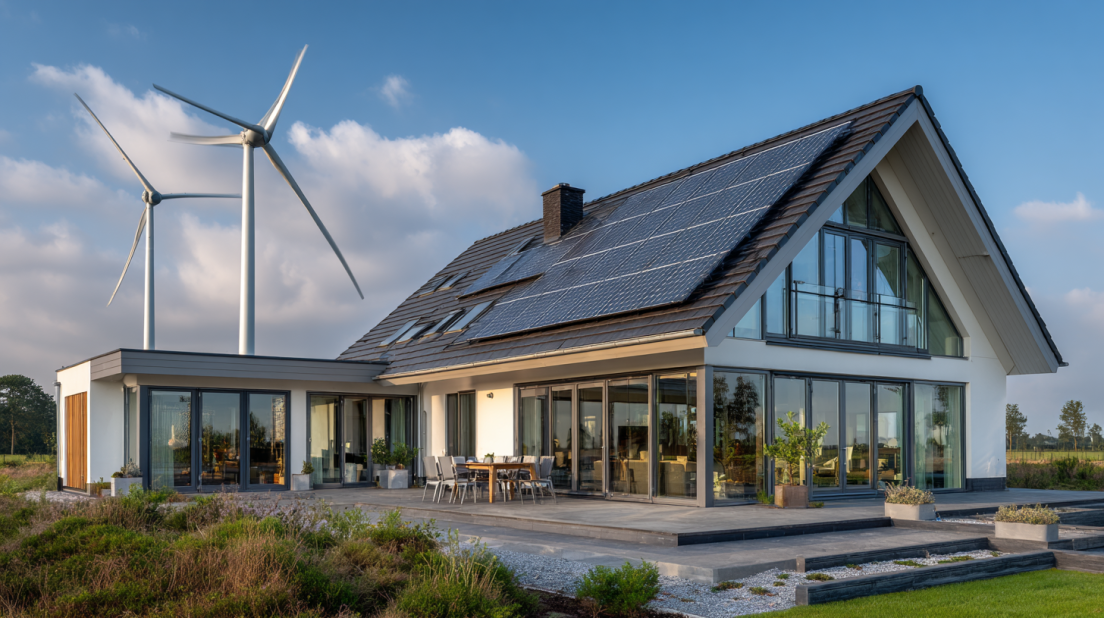
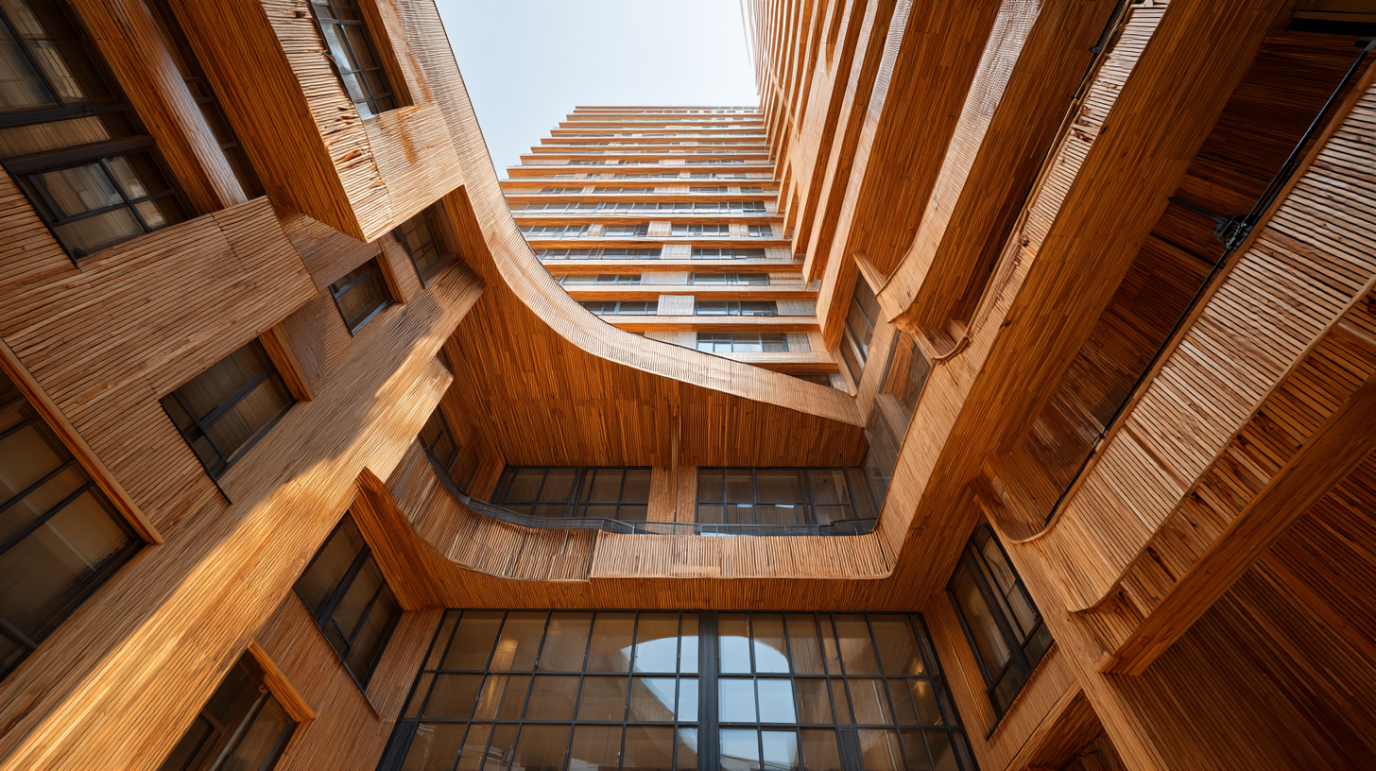
In an era where sustainability is at the forefront of construction projects, choosing the right materials is crucial. Wood stands out as a remarkable option, offering a host of environmental benefits and aesthetic appeal. As the construction sector seeks eco-friendly solutions, wood is not only a renewable resource but also contributes to reducing carbon footprints, making it an ideal choice for sustainable building projects.
This article will explore the reasons behind wood’s prominence in sustainable construction. We will delve into its environmental benefits, economic advantages, and practical applications, providing a comprehensive guide on why wood is the material of choice for modern, responsible builders. Understanding these aspects can significantly influence your next project’s success and ecological impact.
Comprehensive guide to using wood in sustainable building
Wood has long been cherished for its natural beauty and versatility. However, its role in sustainable construction goes beyond aesthetics. As a building material, wood offers numerous advantages that align with the growing demands for environmental responsibility.
Environmental benefits of wood
Carbon sequestration
One of the most significant environmental benefits of wood is its ability to sequester carbon. Trees absorb carbon dioxide from the atmosphere, storing it throughout their lifecycle. When used in construction, wood continues to store carbon, effectively reducing the amount of greenhouse gases in the atmosphere. This makes wood a climate-friendly building material that can help mitigate the effects of climate change.
According to research by the Forest Products Laboratory, wood products can store approximately 1.8 tons of carbon dioxide per ton of wood, highlighting its effectiveness in carbon management.
Renewable resource
Wood is a renewable resource, unlike finite materials such as concrete or steel. Sustainable forestry practices ensure that trees are replanted and forests are managed responsibly to maintain ecological balance. This renewability is a significant factor in wood’s sustainability credentials, offering a continuous supply of material for future generations without depleting natural resources.
Economic advantages of wood
Cost-effectiveness
Wood is often more cost-effective than other building materials. It is easier to work with, reducing labor costs and construction time. The lightweight nature of wood also means lower transportation costs and reduced structural support needs, further cutting expenses. This economic viability makes wood an attractive choice for developers looking to maintain budgets without compromising on sustainability.
Wood construction can be up to 15% cheaper than traditional methods, according to Value of Wood, making it a smart financial decision for builders.
Aesthetic and practical applications
Wood offers unparalleled aesthetic appeal, with a variety of species, grains, and finishes that can suit any design preference. Its versatility allows for diverse architectural designs, from rustic to modern, ensuring it meets the visual and functional needs of any project. Additionally, wood’s natural insulation properties enhance energy efficiency, contributing to lower heating and cooling costs.
Practical steps to integrate wood in construction
- Choose sustainably sourced wood: Ensure that all wood is FSC certified to support responsible forest management.
- Incorporate wood insulation: Utilize wood fiber insulation for improved energy efficiency and reduced environmental impact.
- Design for durability: Opt for rot-resistant wood species and protective finishes to extend the lifespan of the structure.
- Leverage prefabrication: Use prefabricated wooden components to minimize waste and accelerate construction timelines.
- Integrate wood with other materials: Combine wood with steel or glass for structural strength and modern aesthetics.
Key data & statistics about wood in construction
| Indicator | Value / Result | Interpretation |
|---|---|---|
| Carbon storage capacity | 1.8 tons of CO2 per ton of wood | Significant reduction in carbon footprint |
| Cost reduction | Up to 15% | Wood construction is more economical |
| Renewability | 100% | Continuous supply with sustainable practices |
| Construction time | 20-25% faster | Efficient building process |
Practical tips for using wood in construction
Implementing wood in construction projects requires careful planning and knowledge. The following practical tips will help ensure your project is both sustainable and successful.
Understanding common pitfalls and how to avoid them is crucial. For instance, failing to select the right wood type for specific environmental conditions can compromise the building’s integrity. Being informed about the different wood species and their properties is essential for optimal performance.
Tips for success
- Select local wood: Reduce transportation emissions by sourcing wood from local suppliers.
- Utilize engineered wood: Use products like cross-laminated timber for enhanced strength and sustainability.
- Implement moisture control: Protect wood from moisture with proper sealing and ventilation.
- Embrace modular design: Design buildings with modular wood components for flexibility and easy maintenance.
- Monitor forest management: Support companies that practice sustainable forestry to ensure ecological balance.
Pros and cons of using wood
| Pros | Cons |
|---|---|
| Renewable and sustainable | Susceptible to pests if untreated |
| Cost-effective | Requires regular maintenance |
| Versatile design options | Limited availability of some species |
| Carbon sequestration | Fire risk without proper treatment |
Similar articles
❓ Frequently Asked Questions
Is wood really a sustainable material for construction?
Yes, wood is sustainable when sourced from responsibly managed forests. Certification systems like FSC ensure that wood products come from environments that maintain ecological balance and renewability.
What types of wood are best for construction?
Common types include pine, cedar, and oak. Each has unique properties, such as resistance to moisture or pests, making them suitable for different applications. It’s crucial to match the wood type to the project requirements.
Does using wood in construction lower energy costs?
Yes, wood has natural insulating properties, which can help reduce heating and cooling costs. This contributes to the overall energy efficiency of a building, making it a cost-effective choice.
How does wood compare to steel in terms of strength?
While steel is stronger and more durable under certain conditions, engineered wood products like cross-laminated timber offer competitive strength and are more environmentally friendly, making them suitable for many structural applications.
Can wood be used in all climates?
Yes, but it’s essential to choose the right type of wood and treatment for the specific climate. Some woods are more resistant to moisture, while others perform better in dry environments. Proper design and maintenance are key.
What are the fire safety considerations for wood buildings?
To ensure fire safety, use fire-retardant coatings and design fire-resistant structural components. Adhering to building codes and incorporating advanced fire suppression systems can also enhance safety in wood constructions.