
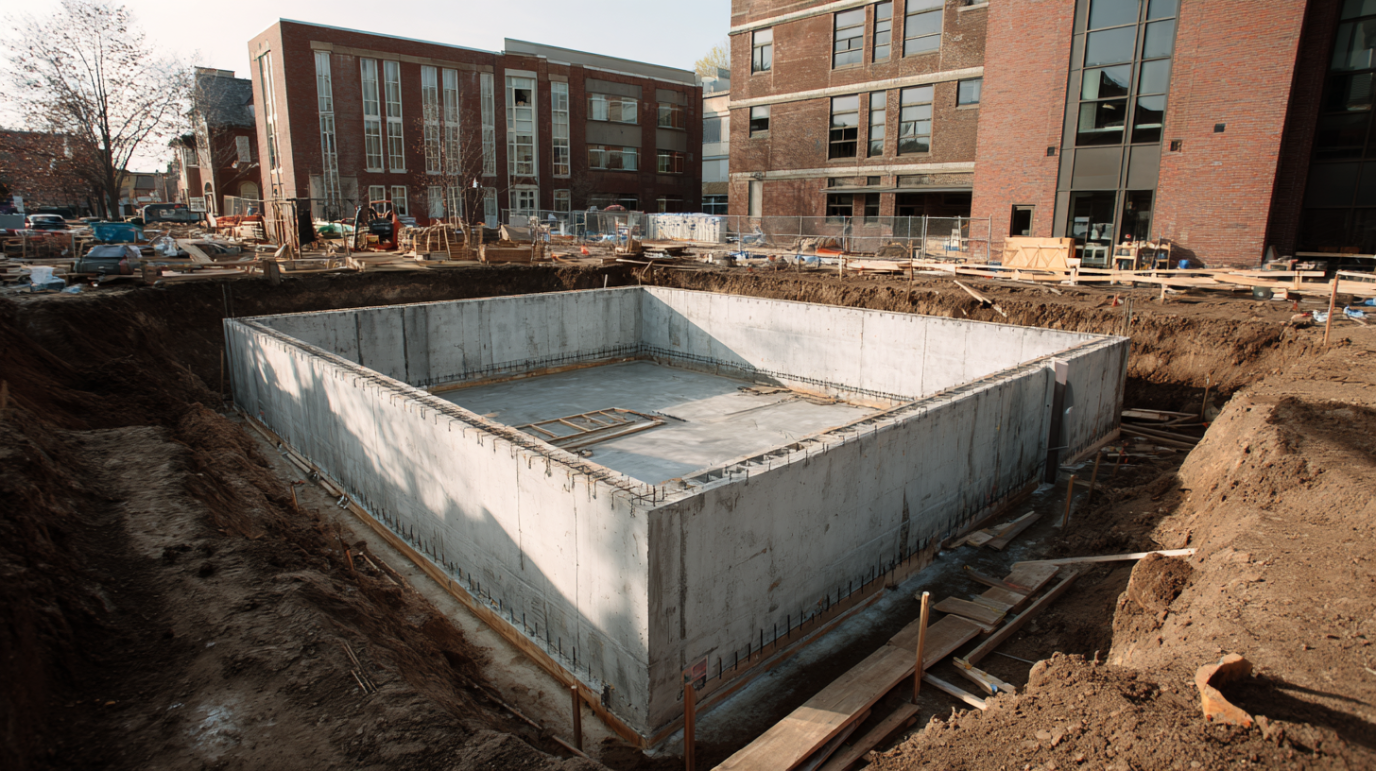
Creating a building that stands the test of time begins with designing strong foundations. The foundation is the most critical component, determining the building’s stability and durability. A well-designed foundation not only ensures the safety of the structure but also contributes to its longevity, protecting against environmental forces and settling. Understanding the principles of foundation design is essential for architects, engineers, and builders to prevent costly repairs and ensure occupant safety.
This article provides a comprehensive guide on designing strong foundations for buildings. You’ll learn about the various types of foundations, their applications, and the factors influencing design choices. By the end, you’ll have a clearer understanding of how to approach foundation design to meet structural and environmental requirements effectively.
Comprehensive guide to designing strong foundations
Designing a foundation involves careful consideration of several factors, including soil conditions, load requirements, and environmental challenges. Each element plays a vital role in determining the type and strength of the foundation required.
Understanding soil conditions
Soil analysis
A thorough soil analysis is crucial before any foundation work begins. The soil’s composition, density, moisture content, and bearing capacity must be assessed to determine its suitability for supporting a structure. Poor soil conditions can lead to uneven settling, causing structural damage over time. Soil tests, such as borehole drilling and sampling, provide critical data to guide the design process.
Engineers often use this data to decide whether soil improvement methods, such as compaction or replacement, are necessary. These interventions can enhance the soil’s load-bearing capacity, ensuring a stable foundation.
Mitigating soil-related risks
Addressing potential soil-related risks early on is essential. Problems like soil erosion, expansive clay, or high water tables can compromise the foundation’s integrity. Implementing solutions such as drainage systems, retaining walls, or soil stabilization techniques can prevent future issues.
Determining load requirements
Load analysis
Understanding the load requirements involves calculating the weight of the building, including live loads such as occupants and furniture, and environmental loads like wind and seismic forces. Accurate load analysis ensures the foundation can support the building under all conditions.
Engineers use load calculations to design foundations that distribute weight evenly across the soil, minimizing stress on any single point. This is critical in preventing foundation cracking and uneven settlement.
Choosing the right foundation type
Selecting the appropriate foundation type is dictated by the building’s size, weight, and intended use. Common foundation types include shallow foundations, such as slabs or footings, and deep foundations like piles or drilled shafts. Each type offers unique advantages depending on site conditions and structural demands.
Environmental considerations
Environmental factors, such as climate and natural disasters, significantly influence foundation design. For instance, areas prone to earthquakes require foundations with enhanced lateral strength to withstand seismic activity. Similarly, flood-prone regions benefit from elevated or water-resistant foundation designs.
Practical steps for foundation design
- Conduct a site survey: Gather detailed information about the site, including topography, soil conditions, and environmental factors.
- Perform soil testing: Use standard testing methods to evaluate soil properties and determine its load-bearing capabilities.
- Calculate load requirements: Assess the building’s total weight, including live and environmental loads, to ensure adequate support.
- Select foundation type: Choose the foundation type best suited to the building’s needs and site conditions.
- Design drainage solutions: Implement systems to manage water flow and prevent soil erosion around the foundation.
- Plan for future adjustments: Design foundations with flexibility to accommodate potential structural changes or environmental shifts.
Key data & statistics
| Indicator | Value / Result | Interpretation |
|---|---|---|
| Average foundation depth | 1.5-3 meters | Varies based on soil type and building height. |
| Soil bearing capacity | 100-300 kN/m² | Determines the load a soil can support. |
| Seismic design factor | 1.0-2.0 | Higher values for earthquake-prone areas. |
| Water table depth | 3-5 meters | Critical for foundation type selection. |
| Foundation cost percentage | 10-15% of total project | Significant investment for overall stability. |
Practical tips & Pros/Cons
Implementing practical tips during the design process can significantly enhance the foundation’s performance. These tips not only prevent common issues but also optimize the construction timeline and budget.
Considerations like selecting durable materials and planning for environmental changes can greatly influence the outcome. Avoiding shortcuts and adhering to best practices ensures the foundation’s longevity and reliability.
Tips for success
- Prioritize soil testing: Accurate soil data is fundamental for designing a suitable foundation.
- Use high-quality materials: Invest in durable materials to prolong the foundation’s life.
- Ensure proper drainage: Effective water management prevents soil erosion and foundation damage.
- Plan for maintenance: Regular inspections and repairs mitigate long-term issues.
- Consult experts: Work with experienced engineers to avoid costly mistakes.
Pros and cons
| Pros | Cons |
|---|---|
| Increased safety and stability. | Higher initial costs. |
| Longevity and durability. | Complex design requirements. |
| Enhanced property value. | Longer construction timelines. |
| Adaptability to environmental changes. | Requires expert input. |
Similar articles
❓ Frequently Asked Questions
What is the most important factor in foundation design?
Soil conditions are arguably the most important factor in foundation design. The soil’s composition affects load-bearing capacity, which in turn influences the type and depth of the foundation required. Conducting thorough soil tests ensures that the foundation is adequately designed to support the structure.
How do environmental factors affect foundation choice?
Environmental factors like climate, seismic activity, and water table levels significantly affect foundation choice. For example, areas with frequent earthquakes require robust seismic designs, while regions prone to flooding may need elevated foundations to prevent water damage.
How can foundation costs be minimized?
To minimize foundation costs, conduct thorough site assessments and choose the most suitable foundation type for the conditions. Avoid over-engineering, and use cost-effective materials without compromising quality. Collaborating with experienced professionals can also lead to more efficient design and construction processes.
What are common foundation problems?
Common foundation problems include cracking due to settling, water damage from inadequate drainage, and shifting from soil movement. Addressing these early with proper design and maintenance can prevent costly repairs.
Why is maintenance important for foundations?
Regular maintenance is crucial for identifying early signs of foundation issues, such as cracks or water pooling. It helps preserve the foundation’s integrity and prevents minor problems from escalating into significant structural failures.
How does climate impact foundation design?
Climate impacts foundation design by dictating the materials used and the construction techniques employed. For instance, freeze-thaw cycles necessitate frost-resistant materials, while hot climates may require heat-resilient designs to prevent expansion and contraction issues.