
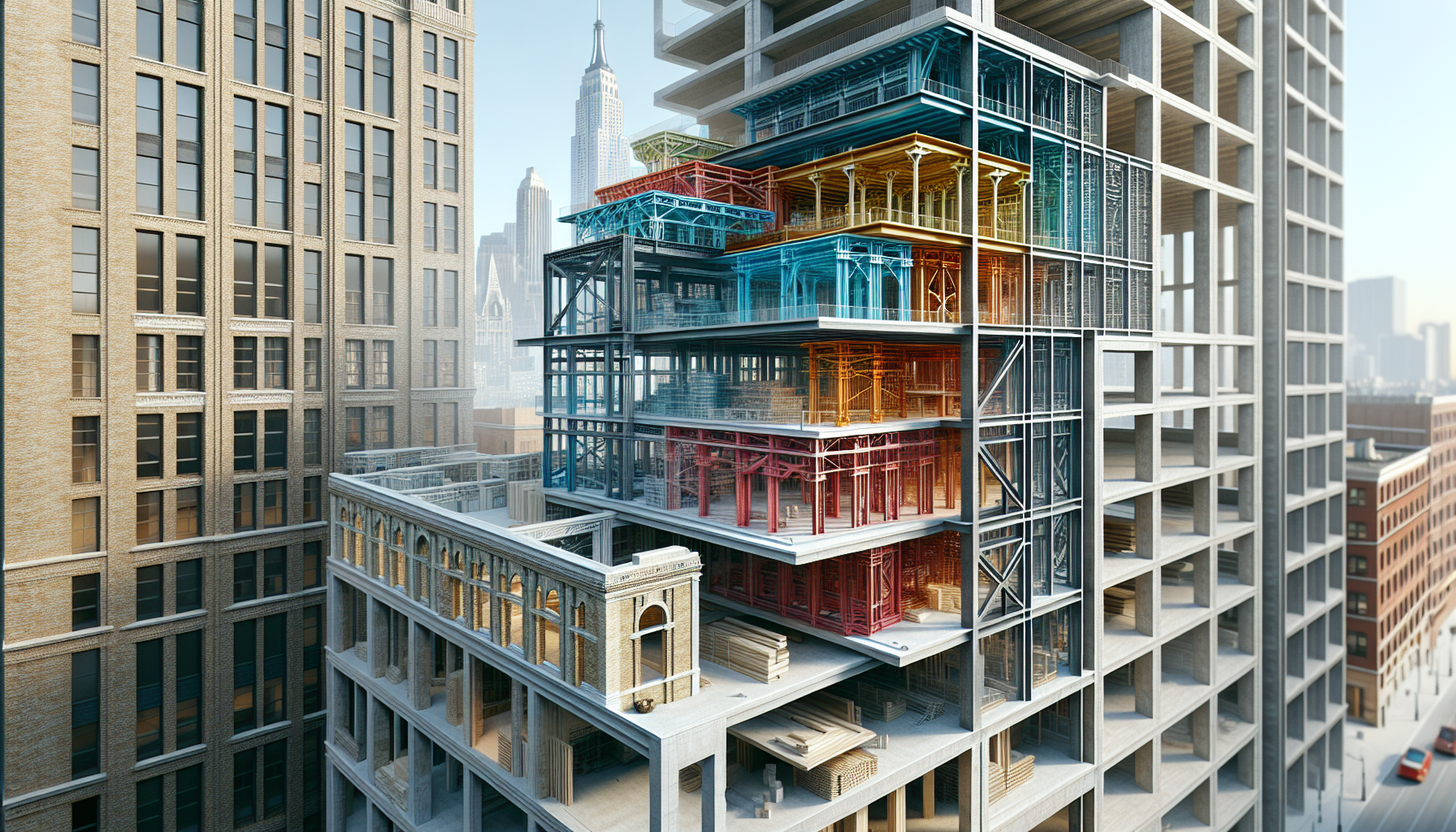
In the world of construction, understanding the types of load-bearing structures is crucial for ensuring the stability and durability of buildings. These structures are essential for transferring loads from walls and roofs to the foundation, impacting the overall integrity of any architectural project. With the rise of innovative construction techniques, choosing the right load-bearing structure can significantly affect both the safety and aesthetics of a building.
This article delves into the different types of load-bearing structures, exploring their unique features, benefits, and applications. By understanding these fundamentals, architects and builders can make informed decisions that enhance the safety and longevity of their constructions.
Complete guide to load-bearing structures
Load-bearing structures play a pivotal role in construction, providing the necessary support to withstand various loads and stresses. Each type offers distinct advantages and is suited for specific applications. This guide will explore the primary types of load-bearing structures and their characteristics.
Traditional masonry structures
Brick and stone masonry
Brick and stone masonry have been used for centuries due to their durability and strength. These materials can bear substantial weight, making them ideal for low-rise buildings. For instance, brick masonry is prevalent in residential constructions due to its thermal properties and aesthetic appeal. Stone masonry, known for its longevity, is often used in historical buildings.
Despite their advantages, masonry structures can be labor-intensive and time-consuming to construct. They also require skilled labor for quality results, which can increase the overall cost of the project.
Cement block masonry
Cement blocks offer a modern alternative to traditional bricks, providing better insulation and faster construction times. They are larger and lighter than bricks, making them easier to handle. Cement block masonry is prevalent in commercial buildings where speed and efficiency are paramount.
Concrete frame structures
Reinforced concrete frames
Reinforced concrete frames are widely used in modern construction due to their strength and versatility. Steel reinforcement within the concrete enhances its tensile strength, making it suitable for high-rise buildings. This type of structure allows for more open space within a building, as the load is carried by columns and beams, not walls.
The flexibility of concrete frame structures also allows for innovative architectural designs, accommodating various aesthetic preferences and functional requirements.
Steel frame structures
Steel frame structures are known for their strength-to-weight ratio and are often used in skyscrapers and industrial buildings. Steel’s ductility allows it to absorb shock, making it ideal for areas prone to seismic activity. Additionally, steel structures can be prefabricated off-site, reducing construction time and cost.
Practical steps for selecting a load-bearing structure
- Assess building requirements: Evaluate the size, purpose, and location to determine the best structural type.
- Consider environmental factors: Account for climate, seismic activity, and local regulations.
- Evaluate material availability: Choose materials that are accessible and cost-effective.
- Consult with experts: Engage structural engineers and architects for professional insights.
- Prioritize safety and aesthetics: Ensure the structure meets safety standards while complementing the design.
Key data & statistics
| Structure Type | Average Cost per m² | Common Applications |
|---|---|---|
| Masonry | $500 – $600 | Residential buildings |
| Reinforced Concrete | $700 – $800 | High-rise buildings |
| Steel Frame | $800 – $1000 | Skyscrapers, industrial buildings |
| Wood Frame | $400 – $500 | Low-rise residential buildings |
Practical tips & Pros/Cons
Choosing the right load-bearing structure is integral to ensuring the safety and functionality of a building. Here are some practical tips to guide your decision-making process.
Understanding the common challenges and advantages of each structure type can help avoid costly mistakes and enhance construction efficiency. Awareness of these factors is crucial for architects and builders aiming to deliver quality projects.
Tips for success
- Plan thoroughly: Detailed planning can prevent unexpected issues during construction.
- Stay updated: Keep abreast of new technologies and materials to improve efficiency.
- Invest in quality materials: Quality materials ensure longevity and reduce maintenance costs.
- Focus on sustainability: Choose eco-friendly materials to minimize environmental impact.
- Regular inspections: Conduct periodic checks to maintain structural integrity.
Pros and cons of different structures
| Pros | Cons |
|---|---|
| Durability and strength (Masonry) | High labor costs and time-consuming |
| Versatility and design flexibility (Concrete) | Requires skilled labor and can be costly |
| Speed of construction (Steel) | Prone to corrosion if not protected |
| Cost-effective and sustainable (Wood) | Susceptible to pests and fire |
Similar articles
❓ Frequently Asked Questions
What is a load-bearing structure?
A load-bearing structure supports the weight of the building, transferring loads from the roof and walls down to the foundation. These structures are essential for maintaining the stability and safety of a building.
How does a steel frame structure work?
Steel frame structures use interconnected steel beams and columns to create a skeleton capable of supporting the building’s weight. This type of structure is known for its strength, durability, and ability to withstand seismic activity.
Why choose reinforced concrete?
Reinforced concrete is favored for its high tensile strength, provided by steel reinforcement. It’s versatile, allowing for a wide range of architectural designs, and is commonly used in high-rise buildings.
What are the benefits of wood frame structures?
Wood frame structures are cost-effective, sustainable, and quick to construct. They are ideal for low-rise residential buildings and offer good insulation properties, reducing heating and cooling costs.
Can masonry be used in high-rise buildings?
Masonry is typically used in low-rise buildings due to its weight and labor-intensive construction process. For high-rise buildings, reinforced concrete or steel frames are preferred due to their strength and ability to support taller structures.